
A large technology and professional services company was entering a new fiscal year with ambitious hiring goals. The plan was to expand its product and engineering teams across North America, Europe, and Asia, but the finance and HR teams faced a familiar, frustrating problem. Headcount plans were built on static assumptions made at the start of the year, while the actual cost of talent shifted month to month.
By the middle of the year, the company’s labor budget had drifted far from reality. Hiring stalled in some regions because salary expectations had outpaced forecasts, while teams in other areas underspent because key positions remained unfilled. The leadership team knew they had to replace their traditional, rigid headcount planning with a dynamic, data-informed model that could forecast real hiring costs with precision.
The Challenge
Budgeting for talent was a guessing game. Annual plans were compiled from departmental spreadsheets, using salary benchmarks that were often six months out of date. This created a cascade of problems: reactive budget adjustments, hiring delays, and a disconnect between finance and HR.
This struggle to align budgets with real-time market conditions is a universal problem for organizations that rely on static data.
| Client Archetype | Business Focus | The Core Budgeting & Planning Challenge | The Strategic Consequence |
| Global Research & Consulting | IT, BPO & HR advisory | Faced long research cycles and manual processes for client projects. | Inability to deliver fast, precise talent analytics and market trend insights. |
| Enterprise HR Analytics | Compensation & market analytics | Needed to replace manual, slow research with automated data feeds. | Outdated, static compensation data compromised the accuracy of their client reports. |
For the professional services firm, the consequences were severe. By midyear, they faced a ten percent overspend in some regions and a hiring freeze in others. The lack of a live, integrated data source meant they couldn’t perform accurate scenario planning or get ahead of market shifts.

Image Source: AIHR
The Approach
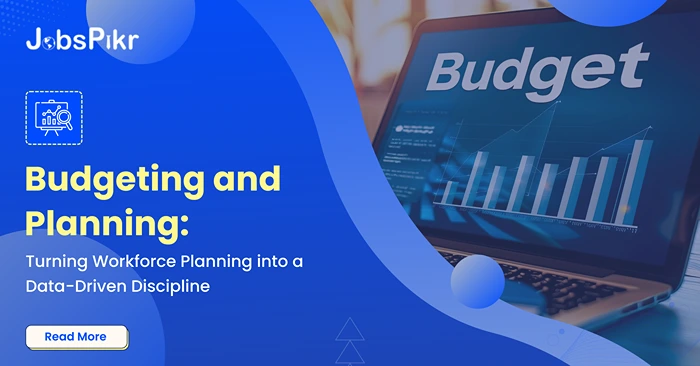
The CFO, CHRO, and Head of Analytics collaborated to build the “Living Workforce Budget.” The goal was to transform workforce planning from a static annual event into a dynamic, ongoing process. They integrated three critical data sources into a single forecasting dashboard:
- Internal HR & Payroll Systems: Provided current salary, benefits, and attrition data.
- Recruiting Pipeline Data: Showed which roles were open, how long they took to fill, and real-world offer data.
- External Labor Market Intelligence: Offered a real-time view of salary trends, skill demand, and emerging roles.
With this integrated view, the finance team introduced rolling quarterly forecasts and scenario modeling. Managers could now simulate how changes in market pay, hiring velocity, or attrition would impact their budgets, allowing for proactive adjustments instead of reactive scrambles.
Implementation
The rollout began in the company’s technology division, which accounted for nearly half of total payroll.
Each hiring manager received access to the new budgeting dashboard. The interface displayed three views:
- Current spend. Actual payroll and benefits spending against plan.
- Forecast. Expected spend for the next three quarters based on current hiring pipelines and offer data.
- Scenario. Predictive outcomes if hiring slowed, accelerated, or market pay shifted.
HR business partners facilitated quarterly review sessions with department heads. These meetings replaced static headcount approval cycles.
In one example, the data showed that data engineer salaries in Europe had risen fifteen percent in six months. Finance approved targeted budget adjustments there while reducing unused allocations from slower hiring regions.
Another insight revealed that attrition among mid-level developers in Southeast Asia was higher than expected. Instead of approving more external hiring, leadership invested in internal upskilling, which proved less expensive and improved retention.
Within six months, the system was extended to cover all departments.
Lessons Learned
Traditional headcount planning assumes the world stays constant. It rarely does.
Accuracy improves only when finance and HR work from the same live data. Integrating internal payroll and external market intelligence creates a realistic view of what talent actually costs.
Scenario planning is essential. Markets shift, hiring velocity changes, and attrition fluctuates. Having alternate plans prepared keeps decision-making agile.
Transparency between HR and finance prevents conflict. When both teams see the same evidence, negotiations turn into discussions, not debates.
Budgeting should be a rhythm, not an event. Quarterly reviews make adjustments manageable instead of disruptive.
The Role of Data
The “Living Workforce Budget” was powered by a continuous feed of live labor market data. Instead of relying on outdated annual surveys, each role now had a live cost model tied to its specific location, skills, and current hiring demand.
Hiring managers gained access to a dashboard that visualized current spend against the plan, forecasted costs for the next three quarters, and modeled predictive outcomes for different scenarios. For example, when the data showed that data engineer salaries in Europe had risen 15% in six months, finance approved a targeted budget adjustment for that region while reallocating unused funds from slower-hiring areas. This ability to see and act on real-time market shifts was the core of the transformation.
Outcome
The impact of this data-driven approach was immediate and significant:
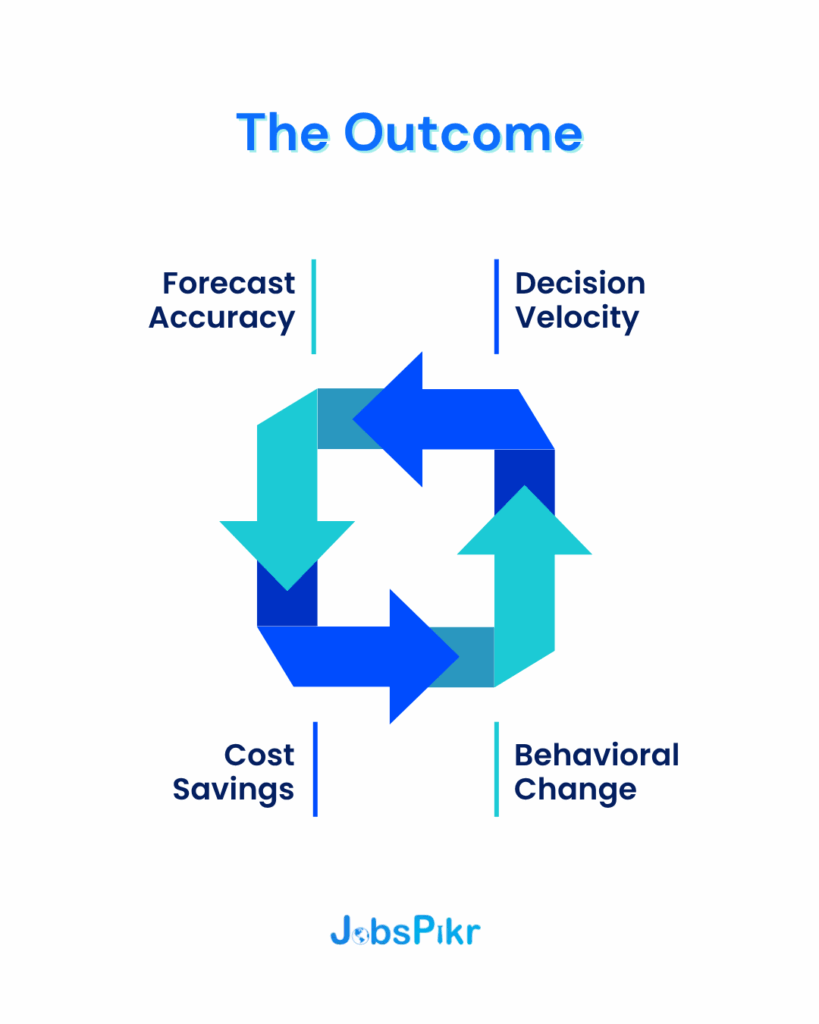
- Forecast Accuracy: The variance between planned and actual payroll spending dropped from 12% to under 4%.
- Decision Velocity: Budget approvals that once took a month were now completed within a week, reducing hiring delays.
- Cost Savings: The company avoided an estimated $3 million in unplanned salary overspend by reallocating budgets proactively based on live market data.
- Behavioral Change: Department heads began to treat budgeting as a continuous strategic tool rather than an annual administrative chore.
Conclusion
By shifting from static spreadsheets to a live, integrated data ecosystem, the company transformed its workforce budgeting from a reactive liability into a proactive, strategic advantage. They proved that when finance and HR operate from a single source of truth, workforce planning becomes a powerful engine for predictable growth. This data-driven discipline allowed them to navigate market volatility with confidence, ensuring that their talent strategy and financial strategy were always in perfect alignment.