


A multinational services company had grown rapidly over five years through acquisitions and aggressive expansion. On the surface, it was a success story. But an internal engagement survey revealed a troubling trend: employees across regions were questioning whether the company paid fairly. Comments pointed to pay gaps, unclear promotion criteria, and new hires earning more than tenured staff.
The leadership team realized they had an equity problem. It wasn’t necessarily intentional bias, but a lack of visibility and consistency that had developed during their high-growth phase. In an age of open salary websites and social media transparency, this perception of unfairness risked eroding employee trust faster than any spreadsheet could measure.
The Challenge
The core problem wasn’t that the company was deliberately unfair; it was that it couldn’t prove it was fair. Compensation data was scattered across legacy systems from acquired firms, each with its own pay bands and job titles. Raises were sometimes based on a manager’s gut feeling rather than consistent performance data.
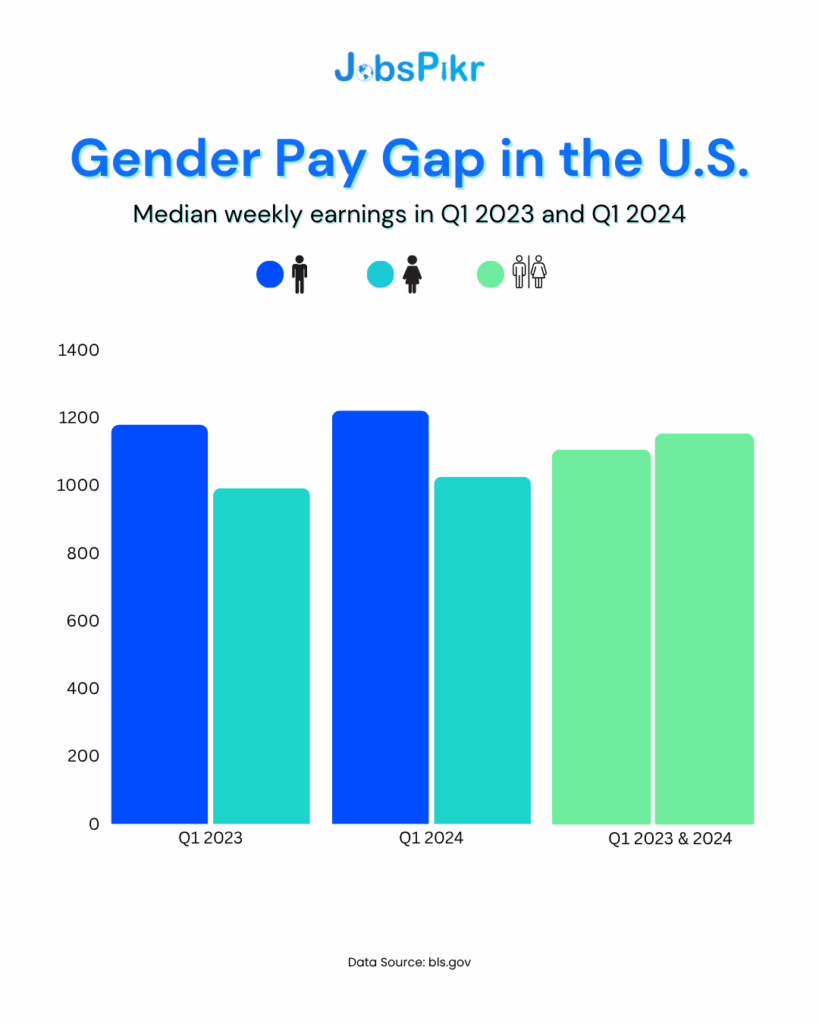
This lack of a centralized, data-driven system created significant risks, a challenge echoed by major firms that require scalable, reliable data to ensure compliance and build trust.
| Client Archetype | Business Focus | The Core Pay Equity Challenge | The Strategic Consequence |
| Global Professional Services | HR consulting & risk management | Needed live data for pay equity audits and compliance. | Inability to provide clients with accurate, defensible fair pay guidance. |
| Enterprise HR Analytics | Compensation & market analytics | Required scalable data for pay gap analysis and client reporting. | Manual, slow processes hindered their ability to deliver timely equity analysis. |
| Talent Intelligence Platform | AI-driven talent solutions | Sought to validate fair pay practices by comparing roles and regions. | Risk of non-compliance and inaccurate data in their client-facing platform. |
For the multinational services company, the risk was both internal dissatisfaction and external legal exposure. New labor regulations in several key markets required companies to publish salary ranges and justify pay differentials. The company needed to act quickly before compliance issues became a public relations crisis.
The Approach
Leadership set out to build a transparent and data-driven compensation framework that could withstand both employee scrutiny and legal requirements. The process began with a comprehensive pay equity audit across all business units.
Using regression analysis, they examined how salary correlated with factors like role, location, performance, and tenure, specifically checking for pay differences predicted by gender or geography when other factors were equal. The audit revealed several small but consistent gaps, highlighting how legacy pay structures had diverged.
The company then designed a multi-stage plan:
- Standardize Job Architecture: Map every role into a consistent framework defining level and responsibility to enable true like-for-like comparisons.
- Consolidate Pay Data: Integrate regional HR systems into a single analytics dashboard that updated monthly, creating a single source of truth.
- Establish Transparent Salary Bands: Define clear salary bands with a minimum, midpoint, and maximum for each role level and region.
- Train Managers to Talk About Pay: Equip managers with the data and communication skills to explain salary rationale, performance increases, and market adjustments openly.
- Communicate the Framework: Launch an internal site where employees could see their job family, pay band, and the factors influencing compensation.
Implementation
The change began in the company’s European and North American offices, which together covered nearly sixty percent of the workforce. HR analysts built dashboards that visualized pay distribution by role, gender, and tenure.
Managers could now see outliers immediately. For example, if a software lead in Paris earned significantly less than peers with the same experience in Madrid, the system flagged it automatically.
Once disparities were identified, the company corrected them through a mix of salary adjustments and promotion realignments. Instead of retroactive fixes, these reviews became quarterly.
Transparency became central to the company’s culture. During town halls, leaders shared aggregated pay equity metrics and explained what progress had been made. Employees could ask questions anonymously, and leadership committed to publishing annual pay equity reports.
Recruiters were also trained to discuss salary bands with candidates early in the process. Job postings began including pay ranges, making offers more credible and reducing negotiation friction.
Lessons Learned
Fairness is measurable, but only if you decide to measure it.
Annual audits are not enough. Pay equity needs continuous visibility to catch drift as teams evolve and new roles appear.
Standardizing job architecture is essential. Without common role definitions, equity analysis turns into noise.
Training managers to communicate about pay is as important as the data itself. Even the most equitable structure can fail if people cannot explain it clearly.
Transparency does not weaken negotiation power. It strengthens credibility. When employees understand the rationale behind pay decisions, they are more likely to trust leadership even if they wish the numbers were higher.
The Role of Data
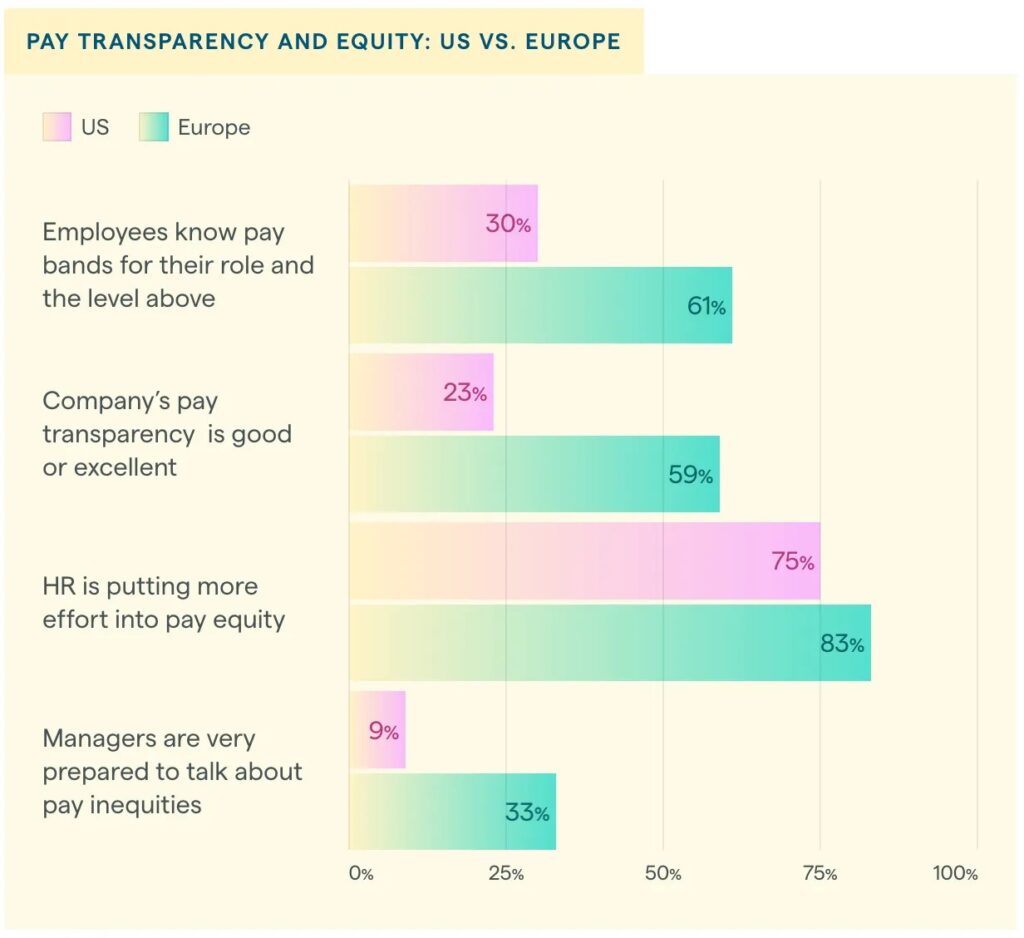
Image Source: Lattice
The success of this initiative depended on transforming scattered pay data into actionable insight. With an integrated, real-time data feed, HR could filter compensation data by any attribute and detect anomalies before they became systemic problems.
Dashboards were built to visualize pay distribution by role, gender, and tenure. Managers could now see outliers immediately—for example, if a team lead in one city earned significantly less than peers with the same experience in another, the system flagged it automatically. This allowed for proactive corrections through salary adjustments and promotion realignments, moving from a reactive to a continuous review cycle. Predictive analytics models also identified roles where pay compression might occur as markets heated up, allowing for preemptive adjustments.
Outcome
The results of the initiative were measurable and impactful within the first year:
- Gender Pay Gap: The gap across comparable roles dropped from seven percent to less than two percent.
- Employee Satisfaction: Internal satisfaction with pay fairness rose by twenty points in the annual engagement survey.
- Operational Efficiency: The time HR spent resolving compensation disputes fell by more than half.
- Talent Attraction: Offer acceptance rates improved as candidates viewed the company’s transparent approach to pay as a sign of a trustworthy culture.
- Employer Brand: The company’s public commitment to transparency and equity earned it a place on several “best workplaces” lists.
By committing to a data-driven framework, the organization replaced suspicion with confidence. Its message to employees and the market became clear: fairness isn’t just a slogan here; it’s a system you can see.
Conclusion
The company’s journey from defensive uncertainty to proactive confidence demonstrates a critical shift in modern HR: pay equity is no longer just a matter of compliance, but a cornerstone of corporate culture and trust. By replacing fragmented, outdated spreadsheets with a single source of live labor market intelligence, they transformed fairness from a subjective ideal into a measurable, manageable business metric. They didn’t just fix a problem; they built a durable competitive advantage. In a talent market that values transparency, the ability to prove your commitment to fairness is the ultimate currency of trust.