


- Global Pay Transparency Is Changing How Companies Set Pay
- Global Pay Transparency Is No Longer Optional
- Benchmark Your Compensation Against the Live Market
- Pay Transparency Laws Are Expanding Across Regions
- What Job Data Reveals About Pay Transparency Trends
- How Global Pay Transparency Changes Salary Benchmarking
- How HR Teams Can Prepare for the Global Pay Transparency Shift
- Turning Job Data Into Pay Transparency Intelligence
- The Future of Global Pay Transparency
- Global Pay Transparency Is Becoming the New Normal
- Turn Pay Transparency Into a Strategic Advantage
- FAQs
Global Pay Transparency Is Changing How Companies Set Pay
Salary ranges are quietly becoming part of job postings around the world. That shift is tied to the spread of global pay transparency rules. In Europe, the EU Pay Transparency Directive is pushing companies toward clearer compensation reporting. In the United States, several states now require employers to include pay ranges when advertising roles.
Once those rules appear, the job market changes quickly. More postings start including pay bands, and companies begin adjusting ranges to stay competitive and compliant. You can see that pattern directly in job data and labor market data.
For HR and compensation teams, the takeaway is simple. Salary benchmarking can no longer rely on static reports or internal history. Organizations need a view of real hiring activity to understand how pay disclosure is evolving across roles, industries, and regions.
This article looks at what the data behind job postings reveals about the rise of global pay transparency, and why compensation teams are increasingly relying on real-time market signals to keep up.
Global Pay Transparency Is No Longer Optional
For years, salary information stayed mostly private. Candidates applied for jobs without knowing the pay range, and many companies treated compensation data as confidential. That approach is now becoming harder to maintain. Across several major economies, governments are introducing rules that require employers to share more information about pay.
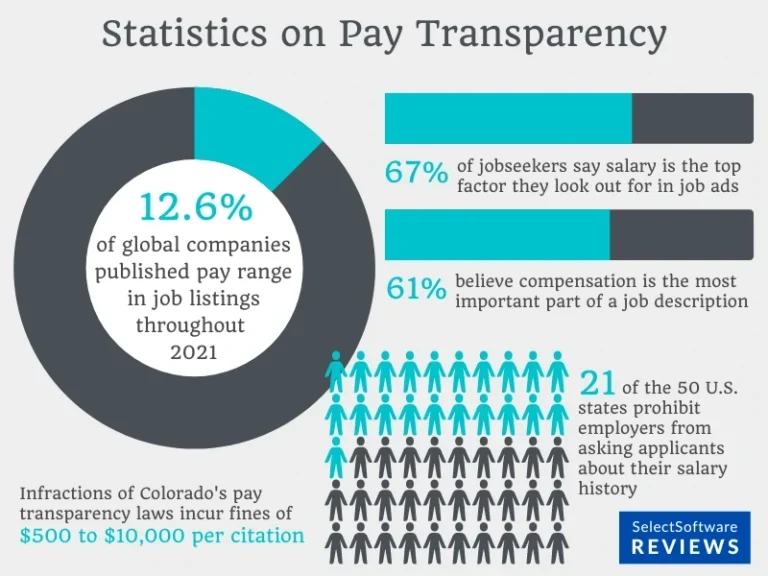
Image Source: SelectSoftware
The global pay transparency movement has moved beyond policy discussions and into legislation. Governments are increasingly requiring companies to disclose salary ranges to candidates and report on pay equity within their organizations. For employers, transparency is shifting from a voluntary practice to a compliance requirement.
Europe provides one of the clearest examples of this shift. In May 2023, the European Union adopted Directive (EU) 2023/970 on pay transparency, which strengthens equal pay rules and requires companies to provide salary information to job applicants and employees. EU member states must implement the directive into national law by 7 June 2026.
Under the directive, employers will have to provide salary information to candidates during recruitment and report on gender pay gaps if they exceed certain thresholds. The legislation is designed to address the persistent pay gap between men and women. According to the European Commission, the gender pay gap in the EU remains around 12%, meaning women earn about 12% less per hour on average than men.
The United States is seeing similar momentum, although through state-level legislation rather than federal law. Several states now require salary ranges to appear in job advertisements. Colorado introduced one of the first modern salary disclosure laws in 2021, and states such as California, New York, and Washington have since adopted similar rules. These regulations require employers to publish pay ranges for many roles, making pay disclosure a visible part of the hiring process.
Once these rules appear, hiring behavior tends to change quickly. Employers that previously kept compensation private begin attaching salary ranges to job listings. Over time, those ranges also become more standardized, because companies need compensation structures that can withstand public scrutiny.
This is where job data and labor market data become valuable signals. Job postings reflect how companies actually communicate compensation in the market. When transparency rules expand, those signals become easier to analyze because salary ranges appear directly in recruitment data.
For HR leaders and compensation teams, this creates a new operating reality. Salary benchmarking can no longer rely solely on internal data or static compensation surveys. If salary ranges are visible in the market, organizations need a clear understanding of how their pay bands compare to what competitors are offering.
The global nature of the trend also introduces complexity. Global pay transparency does not expand at the same speed everywhere. Some regions introduce mandatory disclosure rules quickly, while others move more gradually or rely on voluntary transparency initiatives. Multinational companies, therefore, need to track compensation signals across multiple labor markets at once.
This is one reason why workforce intelligence platforms are gaining importance. Large-scale global wage data derived from job postings allows organizations to observe how pay disclosure spreads across regions and industries. Instead of reacting after transparency laws take effect, companies can monitor market signals early and adjust their compensation frameworks before compliance deadlines arrive.
Benchmark Your Compensation Against the Live Market
Align your pay strategy with real hiring data and stay prepared for global pay transparency requirements across regions and roles.
Pay Transparency Laws Are Expanding Across Regions
The push toward global pay transparency is not coming from a single country or regulatory body. Instead, multiple regions are introducing different forms of salary disclosure requirements, and together they are reshaping how companies approach compensation communication.
Some governments require salary ranges directly in job postings. Others focus on pay gap reporting or employee access to compensation data. While the approaches differ, the direction is similar: employers are expected to be more open about pay.
For multinational companies, this creates a complicated landscape. Transparency requirements may apply in one market but not another. HR teams, therefore, need to track how pay transparency laws evolve across jurisdictions and how those changes affect hiring practices.
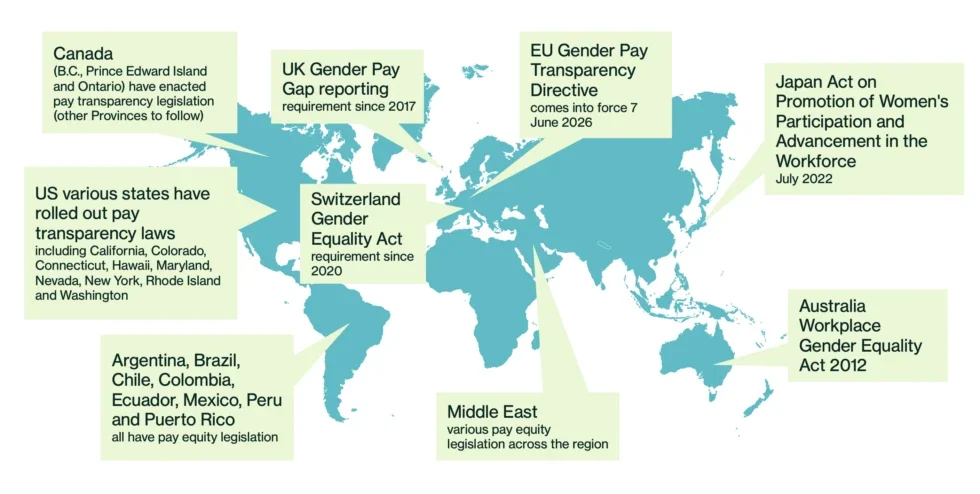
Image Source: sequoia
Europe’s Pay Transparency Directive
Europe currently has one of the most comprehensive regulatory frameworks for pay transparency. In 2023, the European Union adopted Directive (EU) 2023/970, commonly referred to as the EU Pay Transparency Directive.
The directive introduces several obligations for employers. Job applicants must receive information about salary levels or pay ranges before the interview stage. Employees gain the right to request information about average pay levels for comparable roles. Large employers must also report gender pay gap data and address unjustified differences.
EU member states must implement the directive into national law by 7 June 2026, which means companies operating in Europe are already preparing their hiring processes and compensation frameworks for compliance.
U.S. State-Level Pay Disclosure Laws
In the United States, pay transparency has expanded through state legislation rather than a single federal rule. Over the past few years, several states have introduced laws requiring salary ranges in job advertisements.
Colorado’s Equal Pay for Equal Work Act, which took effect in 2021, was one of the earliest modern examples of salary disclosure regulation. Since then, states such as California, New York, and Washington have introduced similar requirements.
These laws typically require employers to include a salary range when advertising roles and to provide pay scale information to employees upon request. For companies hiring across multiple states, this means recruitment processes must adapt to different disclosure requirements depending on location.
Early Signals From Asia-Pacific
The global pay transparency movement is also beginning to appear in parts of the Asia-Pacific region, though the regulatory approach is different.
Australia provides one example. The Workplace Gender Equality Agency (WGEA) requires employers with more than 100 employees to report gender pay gap data annually. In 2024, Australia published employer-level gender pay gap information for the first time, making compensation disparities more visible to the public.
While these policies do not always mandate salary ranges in job postings yet, they signal increasing pressure for transparency in compensation practices.
For HR leaders, these regional differences highlight why global wage data and labor market data matter. Pay transparency regulations may emerge at different speeds across markets, but job postings often reveal how companies begin adjusting their pay structures before formal deadlines arrive.
What Job Data Reveals About Pay Transparency Trends
Legislation explains why transparency is expanding, but the more interesting signals appear in the hiring market itself. Job postings provide a real-time view of how companies react when transparency rules begin influencing recruitment practices.
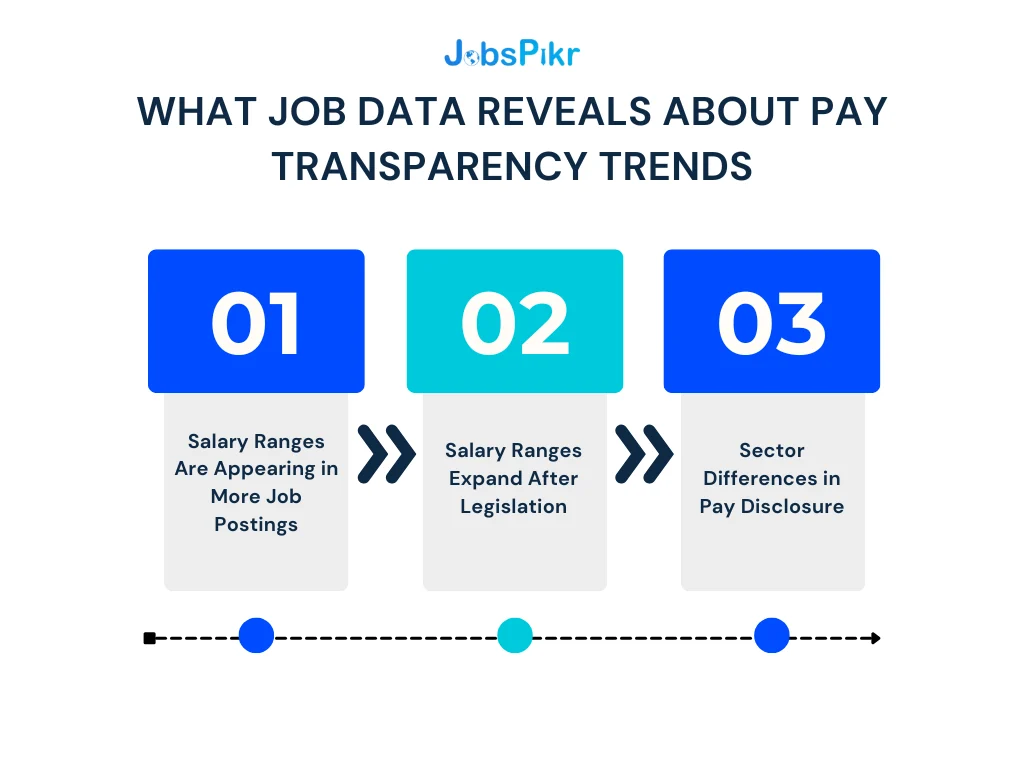
When analysts examine large volumes of job data and labor market data, several patterns emerge. Salary disclosure becomes more common once regulations appear. Compensation ranges often shift as companies adapt their pay structures. And the pace of adoption varies significantly by industry.
These patterns help explain how the global pay transparency movement is unfolding beyond policy announcements.
Salary Ranges Are Appearing in More Job Postings
One of the clearest signals of transparency is the growing number of job advertisements that include salary ranges. For many years, employers avoided publishing compensation details in recruitment listings. That behavior is changing as pay transparency laws expand.
Research from Indeed Hiring Lab shows that salary information appears more frequently in job postings in regions where disclosure rules apply.
When salary ranges are visible in job advertisements, compensation becomes easier for candidates to compare across employers. This visibility also increases pressure on organizations to ensure their compensation structures align with the market.
For HR teams, this is where salary benchmarking becomes critical. Public pay ranges mean that compensation strategies can no longer rely only on internal historical data.
Salary Ranges Expand After Legislation
Another pattern visible in recruitment data is the width of salary ranges. When companies first begin complying with transparency requirements, they often publish wider pay bands.
This approach provides flexibility. A broader range allows employers to meet pay disclosure obligations while still negotiating compensation based on candidate experience or geographic differences.
Over time, these ranges often become more structured as organizations refine their compensation frameworks and align them with external market benchmarks.
Sector Differences in Pay Disclosure
Adoption of salary disclosure varies across industries. Some sectors have moved toward transparency faster than others.
Technology companies were among the earliest to publish salary ranges in job advertisements, particularly in markets where global pay transparency laws were introduced early. Competitive hiring conditions and distributed workforces encouraged clearer communication about compensation.
Other sectors adopt disclosure more gradually, particularly where compensation structures rely heavily on commissions or performance-based pay.
Because adoption varies across industries and regions, analyzing global wage data and labor market data can help organizations monitor how compensation visibility evolves in the hiring market.
How Global Pay Transparency Changes Salary Benchmarking
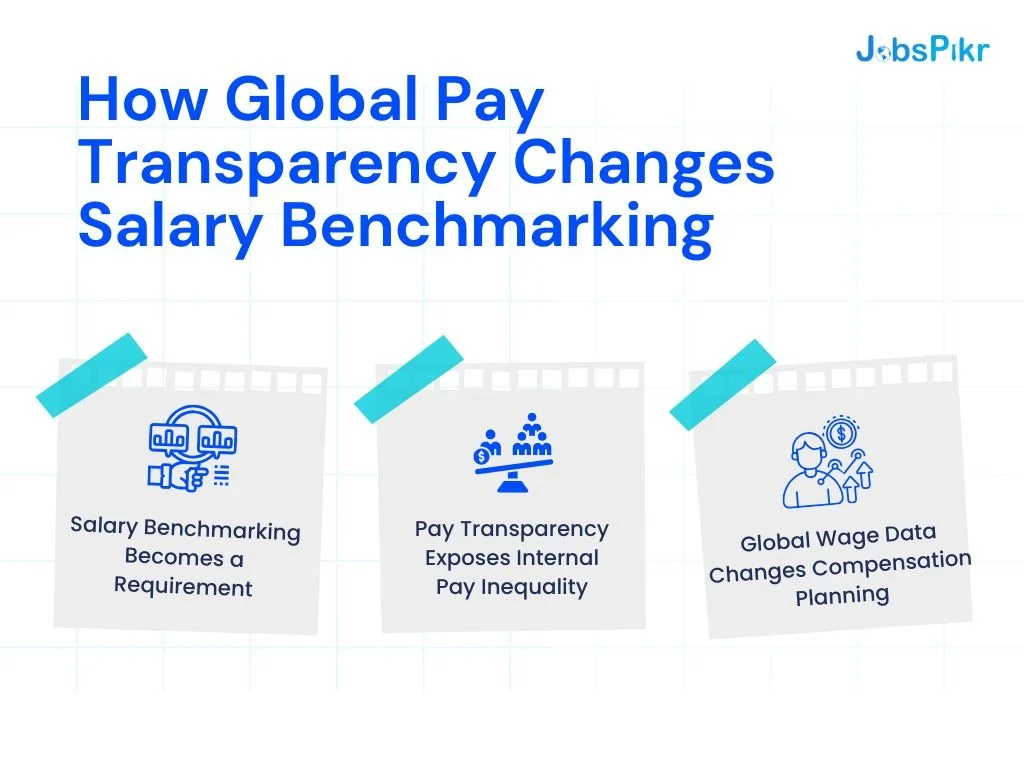
When salary ranges become visible in job postings, compensation strategy changes. Pay once internal decisions are now exposed to candidates, competitors, and regulators. As a result, salary benchmarking becomes more than a compensation exercise. It becomes part of compliance, hiring strategy, and employer reputation.
The rise of global pay transparency is forcing organizations to look beyond internal pay history and rely more heavily on external labor market signals.
Salary Benchmarking Becomes a Requirement
One immediate effect of pay transparency laws is that employers must be able to justify the salary ranges they publish. If compensation ranges appear inconsistent with market norms, they can raise questions from candidates and regulators.
For example, the EU Pay Transparency Directive requires employers to provide salary information to candidates and to address unexplained pay gaps within organizations. These requirements make it harder for companies to rely on outdated compensation frameworks.
Instead, organizations increasingly rely on global wage data and labor market data to ensure their published pay ranges reflect current market conditions. This shift means salary benchmarking is no longer just a periodic HR exercise. It becomes part of ongoing compliance and workforce planning.
Pay Transparency Exposes Internal Pay Inequality
Another effect of transparency is that pay differences inside organizations become easier to identify. When candidates see salary ranges in job postings, they may compare them with internal compensation levels.
Transparency policies are designed to make those comparisons possible. Employees in some jurisdictions now have the right to request information about pay levels for comparable roles. When discrepancies appear, companies may need to explain or correct them.
Because of this visibility, organizations are paying closer attention to compensation structures across teams, regions, and job levels. Reliable salary benchmarking helps HR teams determine whether pay differences reflect legitimate factors such as experience or location, or whether adjustments may be necessary.
Global Wage Data Changes Compensation Planning
For multinational companies, the challenge is even greater. Global pay transparency rules are expanding at different speeds across markets, which means compensation frameworks must account for regional differences in regulation and labor supply.
A salary range that is competitive in one market may appear uncompetitive in another. Without reliable labor market data, it becomes difficult for HR teams to align compensation with local hiring conditions.
Analyzing large volumes of job data helps organizations understand how salary ranges evolve across regions and industries. This insight allows compensation teams to monitor market shifts, adjust pay bands, and anticipate how transparency requirements may affect hiring in different markets.
See How Salary Benchmarking Works With Real Job Data
Understanding compensation trends becomes easier when organizations can analyze large volumes of job postings in one place.
This demo shows how JobsPikr’s salary benchmarking tool converts job posting data into structured compensation insights.
How HR Teams Can Prepare for the Global Pay Transparency Shift
The expansion of global pay transparency is forcing HR leaders to rethink how compensation decisions are made. When salary ranges appear publicly in job postings, compensation frameworks that once operated internally become visible to candidates, employees, and regulators.
Preparing for this shift requires more than updating job descriptions. HR teams need stronger visibility into market pay trends, clearer internal compensation frameworks, and better coordination between hiring and compliance functions.
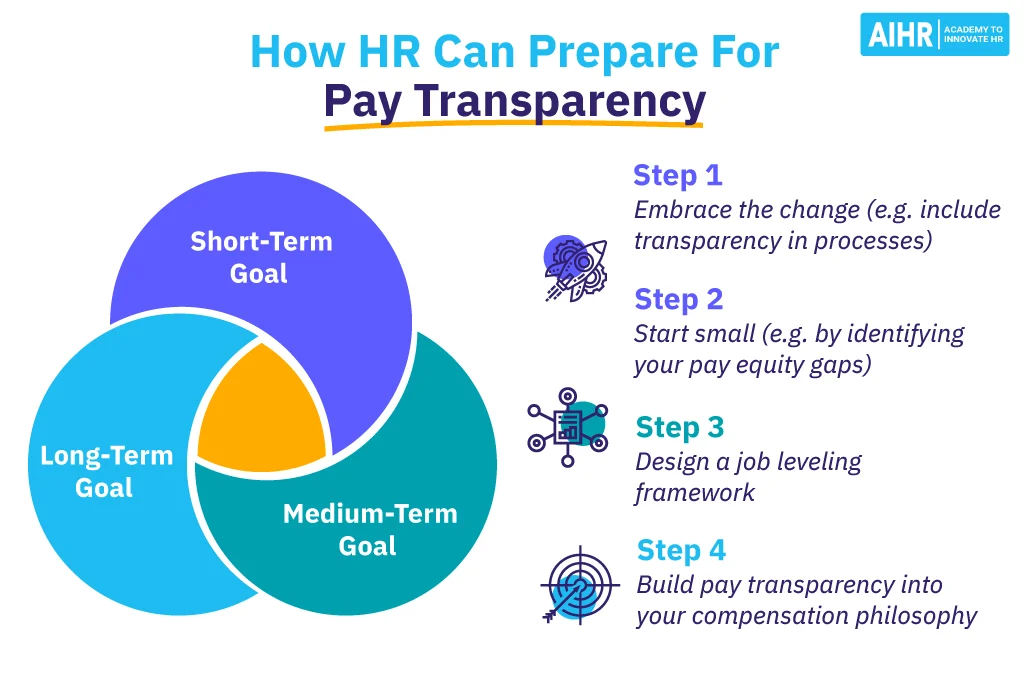
Image Source: AIHR
Build Real-Time Salary Benchmarking Capabilities
Traditional compensation surveys often update once or twice a year. In a hiring market where salary ranges are publicly visible, that update cycle can be too slow.
Organizations increasingly rely on continuous salary benchmarking built on real-time labor market data. Tracking compensation ranges across job postings helps HR teams see how pay levels shift across roles, industries, and locations. This visibility makes it easier to adjust internal pay bands before transparency rules expose gaps between company salaries and the market.
Audit Existing Pay Structures
Transparency regulations can expose inconsistencies in compensation frameworks. When salary ranges appear publicly, employees may compare posted ranges with internal compensation levels.
HR teams should therefore review existing pay bands and evaluate whether differences across roles, locations, or teams are clearly justified. Conducting internal compensation audits helps organizations identify potential pay equity issues before transparency rules bring them into public view.
Align Compensation Strategy With Market Signals
Pay transparency means compensation strategy can no longer rely only on internal decision-making. Salary ranges published in job postings quickly become part of the market conversation.
Using job data and global wage data, HR leaders can track how pay ranges evolve across industries and geographies. This helps companies understand whether their compensation levels remain competitive in the broader labor market.
Train Recruiters and Hiring Managers
Recruitment teams are often the first point of contact when candidates ask questions about compensation. When salary ranges appear in job advertisements, candidates expect clear explanations of how those ranges are determined.
Recruiters and hiring managers should therefore understand the factors behind compensation decisions, including experience levels, geographic differences, and internal pay frameworks. Clear communication helps maintain trust during the hiring process.
Prepare for Regional Compliance Differences
Multinational organizations face an additional challenge because pay transparency laws vary across jurisdictions. Some regions require salary ranges in job postings, while others focus on pay gap reporting or employee access to compensation data.
HR teams need processes that track regulatory requirements across markets and ensure job postings meet local disclosure rules. Coordinating compensation policies with legal and compliance teams helps organizations manage these regional differences effectively.
Turning Job Data Into Pay Transparency Intelligence
Understanding the rise of global pay transparency requires more than tracking legislation. The real signals appear in hiring activity. Salary ranges published in job postings, shifts in compensation bands, and regional disclosure trends all reveal how companies are responding to transparency rules in practice.
However, collecting this information manually is difficult. Job postings are spread across thousands of websites, job boards, and company career pages. Even when salary ranges are visible, the data is inconsistent. Compensation may appear in different formats, currencies, or pay intervals. Without structured analysis, these signals remain scattered across the web.
This is where job data and labor market data become valuable. When large volumes of job postings are aggregated and normalized, they can reveal patterns in compensation disclosure across roles, industries, and geographies. These insights help organizations understand how the global pay transparency movement is shaping real hiring behavior.
From Job Postings to Pay Transparency Signals
Job advertisements contain a surprising amount of compensation intelligence. When salary ranges appear in postings, they reflect how employers position pay for specific roles in specific markets. Analyzing these listings across time allows organizations to track several transparency indicators.
One signal is the rate at which salary ranges appear in job advertisements. As pay transparency laws expand, the share of job postings containing pay information often increases. Monitoring these changes can show where disclosure practices are accelerating.
Another signal is the structure of the ranges themselves. Salary bands reveal how companies segment compensation by experience level, location, or job seniority. Changes in these ranges may indicate adjustments in hiring demand or shifts in market pay expectations.
Using Labor Market Data for Salary Benchmarking
Once job postings are structured into consistent datasets, they become a powerful source of salary benchmarking intelligence. Instead of relying solely on surveys or internal data, HR teams can analyze compensation ranges across thousands of active job listings.
This approach provides a more dynamic view of the labor market. Compensation signals derived from job postings reflect what companies are offering candidates right now, rather than what they reported in historical surveys.
For organizations navigating global pay transparency, this visibility is increasingly important. Public salary ranges mean that compensation strategies are exposed to the market. Benchmarking against real hiring data helps ensure that pay bands remain competitive and defensible.
How JobsPikr Turns Job Data Into Workforce Intelligence
Platforms like JobsPikr transform raw job postings into structured workforce intelligence. By collecting and normalizing large volumes of global job listings, the platform helps organizations analyze hiring trends, compensation signals, and disclosure patterns across markets.
For HR leaders, this type of analysis helps answer several important questions. How frequently are salary ranges appearing in job postings across different regions? Which industries are adopting pay disclosure more quickly? How do compensation ranges for a specific role vary across locations?
Access to this type of global wage data allows organizations to monitor the evolution of pay transparency and adjust their compensation frameworks accordingly.
The Future of Global Pay Transparency
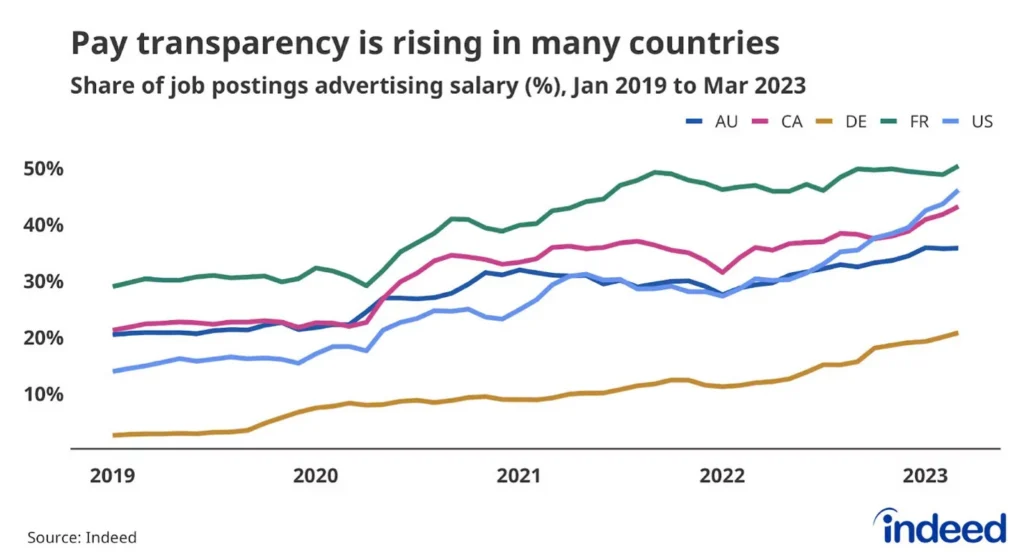
Image Source: WEF
The expansion of global pay transparency is unlikely to slow down. What started as isolated regulations in a few jurisdictions is gradually turning into a broader shift in how compensation is communicated in the labor market. As more governments introduce transparency requirements and candidates become accustomed to seeing salary ranges in job postings, disclosure is likely to become a standard expectation rather than a regulatory exception.
One clear trend is the normalization of salary ranges in recruitment. Once candidates begin seeing pay information in job postings, the absence of that information becomes noticeable. Employers that avoid publishing salary ranges may find it harder to attract applicants who expect transparency about compensation. Over time, market expectations alone can encourage more organizations to adopt pay disclosure, even in regions where regulations are still developing.
Another change involves the growing role of data in compensation decisions. Historically, many organizations relied on periodic surveys or internal compensation history to determine pay bands. In a transparent hiring environment, that approach becomes less reliable. Public salary ranges allow candidates and employees to compare compensation across employers more easily. As a result, companies increasingly need salary benchmarking supported by real-time labor market data.
For multinational organizations, the complexity is even greater. Pay transparency laws are expanding at different speeds across countries and regions. Employers operating globally must navigate varying disclosure rules, reporting requirements, and pay equity standards. This makes visibility into global wage data more important because compensation strategies need to account for regional differences in both regulation and market pay levels.
Another development is the growing connection between transparency and pay equity initiatives. Many transparency policies are designed to expose and reduce wage disparities across gender and other demographic groups. When salary ranges become visible, organizations often face greater scrutiny around internal pay differences. Companies that proactively analyze compensation structures and address inconsistencies tend to adapt more easily to transparency expectations.
Technology will also play a role in how organizations respond to these changes. Platforms that analyze large volumes of job data can reveal how salary ranges shift across roles, industries, and locations. These insights help HR leaders anticipate compensation trends and adjust pay frameworks before transparency regulations force sudden changes.
Taken together, these developments suggest that transparency will continue shaping hiring practices and compensation strategies. For HR leaders, the question is no longer whether transparency will expand, but how quickly it will influence their hiring markets.
Global Pay Transparency Is Becoming the New Normal
The rise of global pay transparency represents a significant shift in how compensation information moves through the labor market. Regulations in Europe and several U.S. states have already made salary disclosure a formal requirement in many hiring situations. At the same time, candidate expectations are evolving as more job postings include visible salary ranges.
These changes mean compensation strategies are no longer confined to internal decision-making. Salary ranges published in job advertisements become part of the public market conversation. Candidates compare them across employers, employees evaluate them against internal pay levels, and regulators may review them when assessing compliance with pay transparency laws.
In this environment, relying solely on historical pay structures becomes risky. Organizations need a clearer understanding of how compensation is evolving across roles, industries, and regions. This is where salary benchmarking supported by labor market data becomes essential.
Analyzing large volumes of job data allows HR teams to observe how salary ranges shift across the hiring market. These insights help companies align pay structures with real market conditions, monitor disclosure trends, and identify potential gaps before transparency rules expose them.
Platforms like JobsPikr help organizations transform raw job postings into structured workforce intelligence. By aggregating and analyzing global hiring signals, HR teams can track compensation trends, benchmark salaries across markets, and understand how the global pay transparency movement is affecting their industry.
As transparency expectations continue to grow, companies that monitor labor market signals will be better positioned to adapt. Understanding how salary ranges evolve across the hiring market allows organizations to build compensation strategies that are competitive, compliant, and aligned with the realities of a more transparent workforce.
Turn Pay Transparency Into a Strategic Advantage
Use real-time labor market data to benchmark salaries, track pay disclosure trends, and stay ahead of global pay transparency regulations.
FAQs
What is global pay transparency?
Global pay transparency refers to policies and practices that make salary information more visible during recruitment and employment. This may include publishing salary ranges in job postings, providing employees with access to pay information for comparable roles, or requiring companies to report pay gap data.
Why are pay transparency laws expanding worldwide?
Many governments are introducing pay transparency laws to address wage inequality and improve fairness in hiring practices. Transparency policies aim to give workers better visibility into compensation structures and reduce unexplained pay differences between employees performing similar work.
How does job data reveal salary disclosure trends?
Job postings provide real-time signals about how employers communicate compensation. When organizations begin including salary ranges in job advertisements, those listings become part of labor market data that can be analyzed to track disclosure patterns, compensation shifts, and hiring trends.
Why is salary benchmarking important for pay transparency?
When salary ranges become visible in job postings, employers need reliable salary benchmarking to ensure their pay structures align with market conditions. Benchmarking based on external labor market data helps organizations maintain competitive compensation and comply with transparency regulations.
How can companies prepare for global pay transparency?
Organizations can prepare for global pay transparency by reviewing compensation frameworks, monitoring labor market salary data, ensuring consistent pay structures across roles, and tracking how transparency regulations evolve across different regions.