
- What is Enterprise Workforce Management?
- Why Workforce Planning is Essential for Enterprise Success?
- What Makes Workforce Planning Effective? Key Components Explained
- How Technology Transforms Enterprise Workforce Management?
- Top Industry Applications of Enterprise Workforce Management
- Top Benefits of Enterprise Workforce Management Solutions
- Step-by-Step Guide to Implement Workforce Planning for Maximum Impact
- Conclusion
Managing a workforce effectively is a cornerstone of enterprise success in today’s dynamic business landscape. This section will explore the integration of enterprise workforce management with strategic workforce planning, detailing its role in meeting organizational objectives. By understanding key concepts and leveraging advanced tools, businesses can optimize capacity, align resources with goals, and enhance operational agility. The following discussion delves into the practical approaches and benefits of effective workforce planning and management.
What is Enterprise Workforce Management?
Enterprise workforce management refers to a comprehensive approach to overseeing, scheduling, and optimizing an organization’s human resources to align with its strategic goals. This involves deploying technology-driven solutions to manage tasks such as employee scheduling, time tracking, performance monitoring, and compliance management. With effective workforce planning and analytics, enterprises can ensure that they have the right people in the right roles at the right time.
Why Workforce Planning is Essential for Enterprise Success?

Enterprise workforce planning is the process of forecasting an organization’s future staffing needs based on current and future business demands. This strategy enables businesses to:
- Align Workforce with Business Goals: Ensure that workforce capabilities match organizational objectives.
- Optimize Resource Utilization: Avoid overstaffing or understaffing by aligning capacity with workload.
- Enhance Productivity: Boost employee performance through well-planned schedules and workload distribution.
- Adapt to Market Dynamics: Stay agile in response to industry changes and market trends.
- Improve Cost Efficiency: Reduce unnecessary labor costs through precise planning and analytics.
What Makes Workforce Planning Effective? Key Components Explained
Workforce planning is a multifaceted process that involves various critical elements to ensure organizational success. This section explores the foundational components that enable enterprises to align their workforce strategies with business objectives effectively. Understanding and implementing these components can help organizations mitigate risks, address skill shortages, and enhance overall operational efficiency.
- Demand Forecasting: Predicting the number of employees required to meet future business needs based on historical data and market trends.
- Skill Gap Analysis: Identifying gaps between current workforce skills and future business requirements to address potential deficiencies.
- Capacity Planning: Assessing the availability of resources and aligning them with projected workloads to optimize efficiency.
- Scenario Planning: Preparing for potential changes in business operations by simulating various workforce scenarios.
- Technology Integration: Implementing workforce management tools to automate and streamline planning processes.
How Technology Transforms Enterprise Workforce Management?
Modern technology is fundamentally reshaping workforce planning and management, moving beyond administrative tasks to drive strategic agility, employee experience, and operational excellence. Tools powered by Artificial Intelligence (AI), Machine Learning (ML), cloud computing, and data analytics are enabling a paradigm shift from reactive to proactive, data-driven people operations. Key transformative benefits include:
Real-Time Analytics & Enhanced Visibility:
Beyond Dashboards: Modern platforms integrate data from HRIS, productivity tools (e.g., Microsoft 365, Google Workspace), project management software (e.g., Asana, Jira), and even IoT sensors (in relevant industries) to provide a holistic, real-time view of workforce activity, capacity, and well-being.
Actionable Insights: AI algorithms analyze patterns in performance, engagement (e.g., via sentiment analysis of communication tools), absenteeism, and collaboration. This identifies bottlenecks, predicts burnout risks (e.g., through analysis of working hours and communication patterns), and highlights high-performing teams for replication. Example: Retail chains use real-time foot traffic and sales data combined with employee scheduling to dynamically adjust staff levels on the shop floor.
Intelligent & Automated Scheduling with Enterprise Workforce Management:
AI-Driven Optimization: Algorithms don’t just automate scheduling; they optimize it. They factor in employee skills, certifications, preferences, legal rest requirements, forecasted demand, budget constraints, and even commute times to create fair, efficient, and legally compliant schedules. Example: Hospitals use AI schedulers to ensure the right mix of specialized nurses (ICU, ER) are always available while respecting shift preferences and fatigue limits.
Self-Service & Flexibility: Employee apps allow shift swapping, time-off requests, and availability updates, empowering employees and reducing managerial admin. Platforms like UKG (Ultimate Kronos Group), Workday, and Oracle HCM excel here.
Predictive Workforce Planning & Strategic Agility:
Scenario Planning: ML models forecast staffing needs not just based on history, but by simulating multiple future scenarios (e.g., economic downturns, new product launches, supply chain disruptions, regulatory changes). This enables proactive recruitment, reskilling, or restructuring.
Skills Gap Analysis: AI identifies current skills within the workforce and maps them against future strategic needs. This pinpoints critical gaps and enables targeted upskilling/reskilling programs via integrated Learning Management Systems (LMS). Example: A manufacturing firm predicts the need for AI maintenance skills 18 months out and launches targeted training for existing technicians.
Automated Compliance & Risk Mitigation:
Continuous Monitoring: Systems automatically track working hours, breaks, overtime, certifications, visa expirations, and license renewals against complex, ever-changing local, national, and industry regulations (e.g., FLSA, GDPR, FMLA, industry-specific safety rules).
Proactive Alerts & Reporting: Managers and HR receive alerts for potential violations before they happen (e.g., approaching overtime limits, expired certifications). Automated audit trails simplify reporting. *Example: Global companies ensure compliance with diverse regional labor laws across 50+ countries from a single platform.*
Enhanced Employee Experience & Engagement:
Personalized Support: AI-powered chatbots (e.g., ServiceNow HR Service Delivery, Leena AI) handle routine employee queries (pay, benefits, policies) 24/7, freeing HR for complex issues and improving response times.
Feedback & Sentiment Analysis: Continuous pulse surveys and analysis of internal communication channels provide real-time insights into morale, engagement drivers, and potential issues (e.g., toxic team dynamics).
Growth & Mobility: Platforms facilitate internal talent marketplaces, matching employee skills and aspirations with open projects, gigs, or full-time roles, boosting retention.
Optimized Talent Acquisition & Onboarding:
AI Recruiting: Tools screen resumes, source candidates, schedule interviews, and even conduct initial screenings using NLP, significantly speeding up hiring and reducing bias.
Digital Onboarding: Automated workflows guide new hires through paperwork, training, equipment provisioning, and team introductions, ensuring a smooth, consistent start and faster productivity.
Integration & Holistic View:
Unified Platforms: Modern solutions (e.g., SAP SuccessFactors, Workday, Ceridian Dayforce) integrate WFM tightly with core HR (payroll, benefits, talent management), finance, and operational systems. This breaks down data silos, providing a single source of truth for strategic decision-making impacting the entire employee lifecycle.
Top Industry Applications of Enterprise Workforce Management
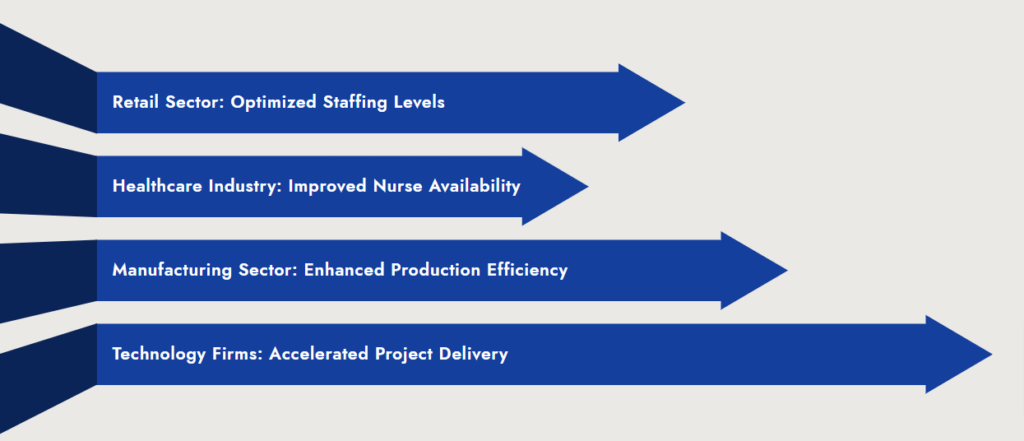
Effective enterprise workforce management finds applications across diverse industries, each with unique challenges and requirements. This section explores how different sectors leverage workforce planning and management tools to optimize operations and meet specific business goals. By tailoring strategies to the distinct needs of each industry, organizations can achieve enhanced efficiency, reduced costs, and improved outcomes. The following examples illustrate the transformative impact of effective workforce management across key industries.
1. Retail Sector
Retail businesses face fluctuating demand due to seasonal trends and promotions. Workforce management tools help optimize staffing levels, ensuring adequate coverage during peak periods. For instance, a global retail chain reduced staffing costs by 20% by leveraging AI-based demand forecasting.
2. Healthcare Industry
Healthcare organizations must balance patient care needs with staff availability. Enterprise workforce planning ensures that critical roles are adequately staffed, improving patient outcomes. A hospital group utilizing predictive analytics reduced nurse shortages by 15% within six months.
3. Manufacturing Sector
Manufacturers need precise workforce planning to meet production targets without overstaffing. Implementing workforce management systems helped a leading manufacturer increase production efficiency by 25% while reducing overtime costs.
4. Technology Firms
In tech companies, workforce planning ensures project timelines are met by aligning skilled professionals with specific tasks. A major IT firm achieved a 30% improvement in project delivery timelines by adopting advanced workforce planning tools.
Top Benefits of Enterprise Workforce Management Solutions
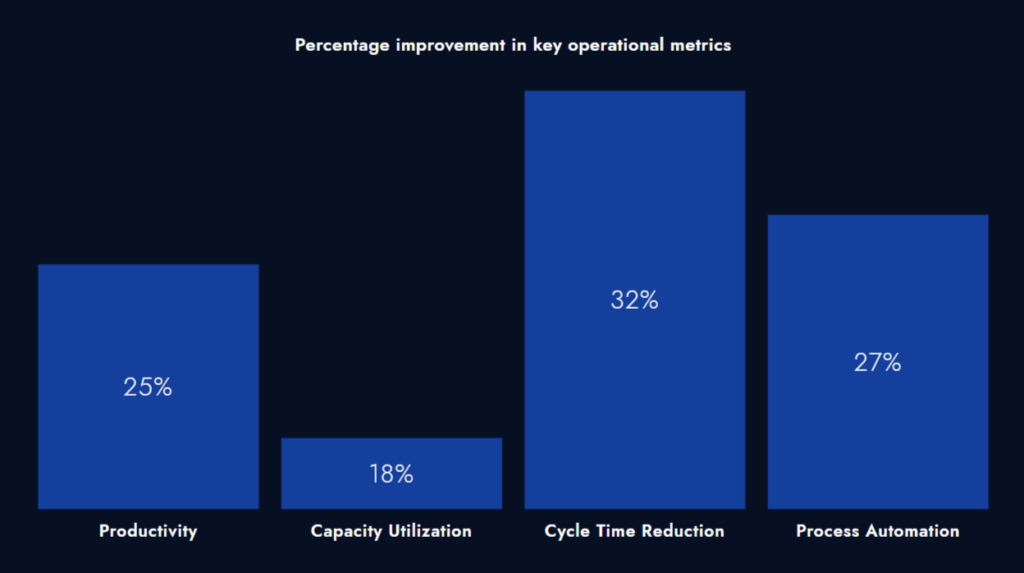
Effective workforce management in enterprises plays a pivotal role in driving organizational success. By aligning human resources with strategic objectives, businesses can enhance operational efficiency, optimize costs, and foster a more engaged workforce. This section provides a detailed look into the key benefits that enterprises can achieve through robust workforce planning and management.
- Enhanced Operational Efficiency
Streamlined processes ensure resources are utilized effectively, minimizing downtime and maximizing output. - Improved Employee Satisfaction
Optimized schedules and clear role definitions enhance job satisfaction and reduce turnover rates. - Data-Driven Decisions
Insights from workforce planning and analytics enable informed decision-making, ensuring alignment with business goals. - Cost Savings
Avoiding overstaffing or understaffing reduces labor costs and improves financial performance. - Scalability
Workforce management systems provide scalable solutions to accommodate organizational growth.
Step-by-Step Guide to Implement Workforce Planning for Maximum Impact

Implementing effective workforce planning is a structured process that enables organizations to align their human resources with business objectives efficiently. This section outlines actionable steps that enterprises can take to ensure their workforce planning strategies are both comprehensive and impactful, ultimately driving better outcomes and operational success.
- Assess Current Workforce
Conduct a comprehensive analysis of current employee capabilities, workload distribution, and productivity levels. - Identify Future Needs
Forecast staffing requirements based on business growth projections, market trends, and strategic objectives. - Select the Right Tools
Invest in workforce management software that aligns with organizational needs and provides scalability. - Engage Stakeholders
Collaborate with department heads, HR teams, and employees to ensure smooth implementation of planning strategies. - Monitor and Refine Strategies
Continuously analyze workforce data to identify areas for improvement and adapt strategies accordingly.
Case Study: Lessons from Successful Workforce Management Implementation
This case study explores how a leading global logistics provider leveraged enterprise workforce management to address its workforce challenges and achieve remarkable operational and employee-related improvements.
- Global Logistics Company
A leading logistics provider faced challenges in managing its diverse workforce across multiple regions. By adopting a comprehensive workforce management tool, the company:
- Reduced overtime costs by 18%.
- Improved on-time delivery rates by 25%.
- Enhanced employee satisfaction scores by 30% through optimized scheduling.
The integration of real-time analytics and automated processes enabled the organization to align workforce capabilities with operational demands effectively.
Conclusion
Enterprise workforce management, when combined with effective workforce planning, is essential for meeting business demands and achieving operational excellence. By leveraging workforce planning and analytics, organizations can optimize resource utilization, enhance employee satisfaction, and drive business success. For workforce management teams and corporate HR executives, adopting advanced tools and strategies is the key to staying competitive in today’s fast-paced environment.Take the first step towards revolutionizing your enterprise workforce management by exploring tailored solutions with JobsPikr. Transform your workforce planning strategies and unlock new opportunities for growth.