

- What Every HR Leader Should Know About Learning Agility
- What is Learning Agility?
- Take action today!
- Learning Agility vs. Traditional Performance Metrics
- How Learning Agility Drives Success for HR Leaders?
- What Are the Key Dimensions of Learning Agility?
- Learning Agility Examples in the Workplace
- Why and How to Evaluate Learning Agility in Employees?
- Take action today!
- How to Adopt Learning Agility in Human Resource Practice?
- How to Build Learning Agility in Your Team
- How to Overcome Common Challenges in Measuring Learning Agility?
- Take action today!
- Case Studies: How Learning Agility Transforms Workforce Strategies?
- Building a Future-Ready Workforce Starts with Learning Agility
- Take action today!
- FAQs:
What Every HR Leader Should Know About Learning Agility
Learning agility, the ability to learn from experience and apply it to new situations, is fast becoming the most reliable predictor of workforce resilience and leadership potential in HR strategy.
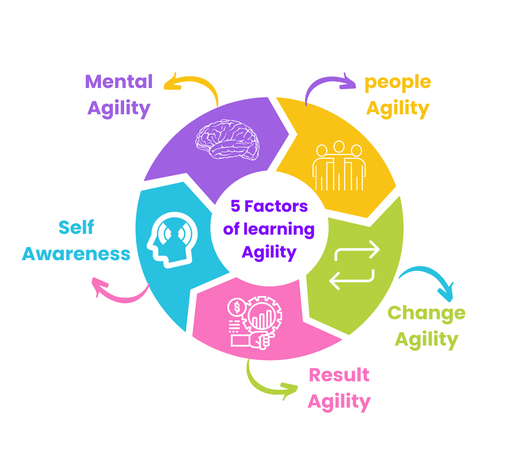
- It’s measured across 5 dimensions: Mental, People, Change, Results, and Self-Awareness Agility
- It can be assessed through behavioral interviews, psychometrics, and 360-degree feedback
- It should be embedded into hiring, L&D, and performance reviews, not treated as a one-off test
- Real-time job market data (like JobsPikr’s) makes agility assessments more accurate and forward-looking
If you’re building a workforce that can withstand disruption, learning agility isn’t a nice-to-have; it’s the foundation.
In a world where 87% of organizations already face significant skill gaps, and AI is reshaping job roles faster than hiring managers can respond, past experience is no longer enough to predict future performance. The real differentiator? How quickly someone can learn, unlearn, and relearn.
That’s the essence of learning agility. And for organizations serious about agility at work, it starts with HR, how leaders hire for it, measure it, and build it into the fabric of their talent strategy. For HR directors, recruiters, and CHROs, learning agility has become one of the most critical competencies to identify, measure, and develop across the workforce. This guide covers what it means in practice, how to assess it, and how platforms like JobsPikr help HR leaders make smarter, data-backed talent decisions..
What is Learning Agility?
Learning agility can be defined as a person’s ability to learn new skills, shift to various functions, and learn on a continuous basis due to the changing demands of the business. HR practitioners and recruiters understand that work agility is crucial not only in spotting potential talent but also in managing the agility of the workforce.
The following are some of the key aspects of learning agility:
- Adaptability: Acting promptly to changes in job functions and activities
- Curiosity: Actively looking for new knowledge and developments in the field.
- Resilience: Dealing effectively with barriers to advancement, and viewing problems as opportunities for development.
- Openness to feedback: Adjusting one’s skills and actions based on the evaluation provided.
- Team Work: Being part of a team that cuts across multiple functions for the purpose of developing new products and services.
For HR professionals these traits are important and complex, but in the right combination can be a strong indicator of how much talent is waiting to be utilized within the organization.
Take action today!
Ready to move from instinct-based hiring to data-driven agility assessment? JobsPikr gives your team the market intelligence to do exactly that.
Learning Agility vs. Traditional Performance Metrics
Most organizations still evaluate employees primarily on past output, KPIs hit, targets met, tenure logged. The problem is that past performance in a stable role says very little about how someone will handle an unfamiliar challenge, a new technology, or a business pivot.
Learning agility fills that gap. Here’s how it differs from traditional evaluation:
| Criteria | Traditional Appraisal | Learning Agility Assessment |
| Focus | Past performance | Future potential |
| Key Metrics | KPIs, targets, tenure | Adaptability, curiosity, feedback response |
| Review Frequency | Annual | Ongoing / 360° |
| Best Predicts | Role stability | Leadership readiness and resilience |
For HR leaders, this distinction matters most during succession planning and hiring for roles that didn’t exist two years ago both scenarios where agility is a far stronger signal than a track record.
How Learning Agility Drives Success for HR Leaders?
1. Resilience and Adaptability of the Workforce
HR leaders should build a workforce that has the ability to change and shift with the company’s ever evolving market. Learning agility is what ensures that employees remain competitive and up to par with the changes in the work environment. Companies focused on agility as an organizational value have employees who switch between different functions, learn new technologies, and work productively in volatile situations.
2. Improving Talent Acquisition Efforts
With the application of learning agility metrics, recruiters can now detect candidates who will succeed in fluid work cultures. HR personnel can refine their hiring approaches through industry analysis and skills availability using the JobsPikr analytics tool. Talent acquisition specialists focusing on the agility mindset as primary criteria in employment selection will save their organizations from the impact of the volatile labor market.
3. Preparing the Workforce for the Future
Employee engagement is further predicted by productivity and their learning agility. More motivated employees are those who are willing to learn and adapt to changes, take charge of their career paths, and work towards the growth of the organization. Insights from learning agility can help the HR and business leaders retain more employees by designing L&D programs that serve business objectives.
4. Developing Leadership Skills
It is imperative for the human resource department to have a strong focus on creating leaders who are capable of constantly changing the business environment and can competently lead the transformation of teams. Learning agility is crucial in spotting and cultivating leaders capable of facilitating change in a business. Having an organization-integration approach with work is expected to facilitate the development of cross work decisions, problem solving and collaboration by integrating agility into the leadership development framework.
What Are the Key Dimensions of Learning Agility?
To assess employee potential, HR specialists focus on the following five dimensions of learning agility:
- Mental Agility: Constructing and drawing logical conclusions, and solving complex problems with little to no information.
- People Agility: Working with various teams and appreciating different workplace cultures.
- Change Agility: Being open to change and looking for new ways to do things.
- Results Agility: Operating effectively in challenging circumstances in fresh or unfamiliar environments.
- Self-Awareness: Understanding one’s level of knowledge, strengths, and weaknesses along with a willingness to improve.
With the help of these features, JobsPikr helps HR executives pinpoint candidates who possess these qualities, which facilitates more effective hiring selections.
Learning Agility Examples in the Workplace
Understanding learning agility in theory is one thing spotting it in real employees is another. Here are five role-based examples HR leaders can use as reference points when assessing candidates or evaluating internal talent:
- The Sales Manager who pivoted mid-cycle: When a legacy CRM was replaced overnight, this person didn’t wait for training; they self-taught, then ran informal sessions for the team. Classic results, agility, and people agility in action.
- The Operations Lead who upskilled into data analytics: With no formal background, they used free resources and internal mentorship to build dashboards that now inform weekly planning decisions. A strong signal of mental agility and self-awareness.
- The Marketer who moved into Product: After a company reorg eliminated their role, they volunteered for a product squad, absorbed a new domain in weeks, and eventually led a feature launch. This is change agility at its clearest.
- The HR Generalist who became a People Analyst: Saw the shift toward data-driven HR early, proactively learned workforce analytics tools, and repositioned themselves before their role became obsolete.
- The Team Lead who thrived during the remote transition: When the team went fully distributed, they restructured communication norms, kept morale high, and maintained output without a playbook. That’s people agility and results agility combined.
When assessing candidates, ask for stories like these, not just job titles and responsibilities.
Why and How to Evaluate Learning Agility in Employees?
Companies seeking high-performing employees must prioritize learning agility in their hiring and talent development strategies. Agile employees quickly adapt to new challenges, embrace upskilling opportunities, and take on leadership roles when required. Organizations that assess agility at work during recruitment and performance appraisals can build resilient teams capable of navigating change with confidence.
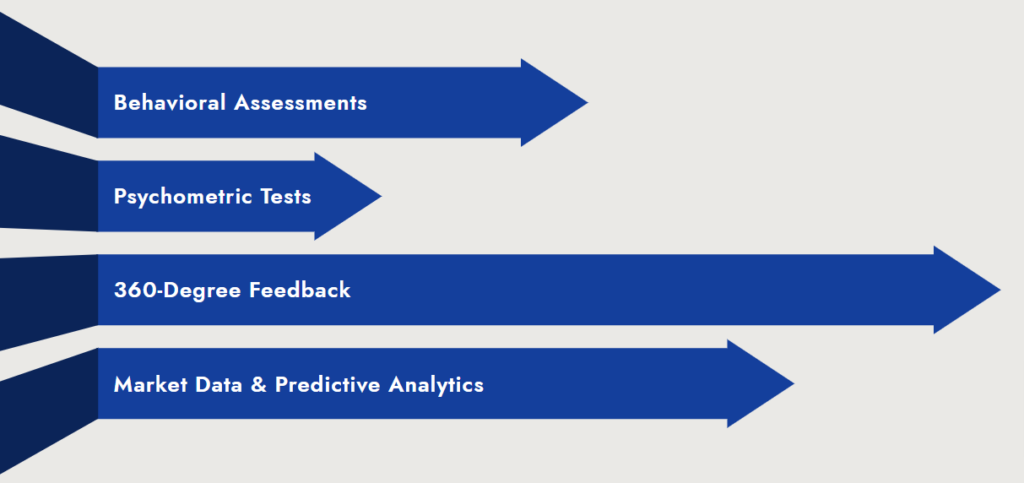
Integrating learning agility into hiring and performance reviews can be done through the following assessment techniques by HR practitioners:
1. Behavioral Assessments
Using structured interviews and situational judgment tests, recruiters can assess candidates’ adaptability and decision-making skills. Behavioral interviews that ask candidates to describe experiences where they demonstrated resilience, curiosity, and problem-solving abilities can provide insights into their learning agility.
2. Psychometric Tests
HR professionals can use cognitive and personality assessments to evaluate traits linked to learning agility, such as curiosity, resilience, and openness to change. These tests help predict an individual’s ability to thrive in dynamic roles.
3. 360-Degree Feedback
Gathering feedback from peers, managers, and subordinates offers a well-rounded view of an employee’s agility at work. This method ensures that assessments are not solely based on self-reported data but reflect real-world interactions and adaptability in various work scenarios.
4. Market Data & Predictive Analytics
With JobsPikr, HR teams can analyze market trends and assess skill gaps, ensuring they hire candidates with the highest learning agility potential. Data-driven insights help organizations refine hiring criteria and workforce planning strategies.
Take action today!
Ready to move from instinct-based hiring to data-driven agility assessment? JobsPikr gives your team the market intelligence to do exactly that.
How to Adopt Learning Agility in Human Resource Practice?
1. Setting Agility Criteria in Talent Assessment:
Human Resource leaders should treat learning agility as a critical skill in talent management systems. This means integrating agile practices into job descriptions, performance reviews, and even training programs for leaders. Moving toward a more skills-oriented approach to hiring helps organizations consider candidates who possess highly adaptive skills.
2. Tailored Learning and Development:
Meeting the upskilling and reskilling needs of individual employees is essential in developing a culture of continuous learning. HR departments can assess JobsPikr data to analyze the most sought-after skills and create specific training programs which increase workforce agility.
3. Promoting Employee Career Pathing:
Employees should be granted greater authority over their career development by being guided to create their career paths base on their learning agility scores. A clear and visible structure of career advancement which values flexibility and creativity can lead to greater retention of talent and motivation.
4. Promoting Mobility Across Functions:
Having employees participate in cross-functional projects and rotational assignments increases their agility at work. Programs can be designed by HR departments to allow employees greater exposure to other areas of the business so that they can acquire different skills and improve their adaptability.
5. Fostering an Agile Culture in the Organization:
It is the duty of human resource experts to promote an agile work culture that encourages innovation, information exchange, and learning. Ensuring that employees are able to take risks psychologically, and learn from failures is key to driving innovation and agility at work.
How to Build Learning Agility in Your Team
Assessing learning agility is only half the work HR leaders also need to actively cultivate it. Here’s what that looks like in practice:
- Assign stretch projects that push employees beyond their current skill set. Discomfort is where agility develops fastest
- Build psychological safety so that failure is treated as a learning signal, not a performance mark against someone
- Rotating employees across functions, even brief cross-functional exposure, significantly increases adaptability and empathy across teams
- Tie L&D programs to live market demand, use job market data from platforms like JobsPikr to ensure training targets skills that are actually growing in value, not just legacy competencies
- Reward curiosity, publicly recognize employees who proactively upskill, ask hard questions, or challenge existing processes constructively
How to Overcome Common Challenges in Measuring Learning Agility?
Human Resource Management can face obstacles when trying to integrate learning agility assessments within their plans. These issues comprise of the following:
1. Reconciling Bias with Evaluation Techniques
Learning agility is not accurately measured by older systems of performance reviews. A large number of organizations have older systems of evaluation that ignore the employee’s ability to learn and shift. HR departments should implement use of bias-neutral competency based examinations and positive feedback forms.
2. Dealing With Resistance to Change
People with fixed mindsets can prove difficult due to their unwillingness to participate in adaptive learning. Within change management, HR practitioners have to work towards developing a growth mindset at every level of the organization. Rationale communication regarding the use of agility at work can motivate employees to participate in learning as a continuous process.
3. Putting Data to Work in a More Meaningful Way
Lack of access to current labor market information makes it difficult for some HR departments – and their organizations – to make reasoned hiring decisions. Organizations looking to measure learning agility and further develop workforce management strategies can rely on AI provided by JobsPikr. Also, predictive analytics can broaden the scope of talent acquisition, learning and development, or even succession planning for leadership roles.
4. Instilling Willingness to Accept Closely Defined Boundaries
It is the responsibility of HR teams to obtain learning and development initiative support for learning agility initiatives from other leaders. Adaptability and accepting the attitude of supporting constant change are crucial. Senior and middle managers have this responsibility for helping develop agile culture through their own behavior.
By utilizing real-time labor market data, HR personnel can address these challenges with the help of JobsPikr’s sophisticated talent intelligence.
Take action today!
Ready to move from instinct-based hiring to data-driven agility assessment? JobsPikr gives your team the market intelligence to do exactly that.
Case Studies: How Learning Agility Transforms Workforce Strategies?
1. Tech Industry: Reducing Attrition Through Skill-Forward Hiring
A mid-sized SaaS company was losing engineers 12–18 months into their tenure, not because of compensation, but because roles were evolving faster than employees could keep up. By integrating learning agility assessments into their hiring process and using JobsPikr data to map emerging skill demand, they rebuilt their hiring scorecard around adaptability indicators. Within two hiring cycles, early attrition in technical roles dropped noticeably, and internal mobility increased as employees felt more equipped to shift between product teams.
2. Retail: Building Frontline Resilience at Scale
A global retailer operating across 30+ markets needed frontline managers who could handle rapid merchandising changes, new POS systems, and fluctuating team compositions often simultaneously. They introduced change agility as a core hiring criterion for store management roles, supported by behavioral interview frameworks. Managers hired against agility criteria consistently outperformed peers on adaptability scores during quarterly reviews and required less hand-holding during system rollouts.
3. Manufacturing: Data-Driven Leadership Succession
A large manufacturer was struggling to identify internal candidates ready for plant leadership roles. Traditional performance reviews flagged high output but couldn’t predict who would thrive in ambiguous, high-stakes situations. By layering JobsPikr’s labor market analytics with internal 360-degree feedback, their HR team built a succession model that weighted learning agility alongside technical competency. The result: a stronger, more confident internal pipeline for senior operational roles.
Building a Future-Ready Workforce Starts with Learning Agility
In a volatile business environment, an organization’s readiness to learn as well as adapt quickly is an invaluable asset. HR professionals, recruiters, and CHROs should embed these skills within the scope of recruitment, talent development, and leadership training programs.
With the help of JobsPikr’s tools on the talent market, companies are able to make intelligent hiring choices through the analysis of available data, while also spotting promising employees and ensuring the sustainability of the business.Take action today! Sign up on JobsPikr to optimize your hiring strategy and build an agile workforce.
Take action today!
Ready to move from instinct-based hiring to data-driven agility assessment? JobsPikr gives your team the market intelligence to do exactly that.
FAQs:
1. What is learning agility in simple terms?
Learning agility is the ability to learn from experience and apply those lessons to new, unfamiliar situations, often under pressure. Unlike technical skills that can be taught in a course, it’s about how someone responds when they don’t have a playbook. It’s widely considered one of the strongest predictors of leadership potential and long-term career success, especially in fast-moving industries.
2. What are the 5 dimensions of learning agility?
The five dimensions are Mental Agility (solving complex problems with limited information), People Agility (collaborating effectively across diverse teams and cultures), Change Agility (actively seeking new approaches rather than defaulting to what’s worked before), Results Agility (delivering outcomes in uncertain or first-time situations), and Self-Awareness (accurately understanding your own strengths, blind spots, and areas for growth). Strong candidates typically show depth in at least three of these.
3. How do HR leaders measure learning agility in employees?
The most effective approach combines multiple methods. Behavioral interviews surface past examples of adaptability and resilience. Psychometric assessments reveal underlying traits like curiosity and openness to feedback. 360-degree feedback adds real-world context from peers and managers. And data-driven platforms like JobsPikr help HR teams connect these assessments to live market signals, so you’re evaluating agility against the skills your business will actually need.
4. Is learning agility the same as IQ or EQ?
No, and the distinction matters. IQ measures raw cognitive ability, EQ measures how well someone navigates emotions and relationships. Learning agility is different: it measures how effectively someone applies learning in new, ambiguous situations. A person can have high IQ and low learning agility. Crucially, unlike cognitive scores, learning agility can be actively developed over time with the right environment and experiences.
5. Why is learning agility important for future-proofing a workforce?
Roles are evolving faster than traditional hiring and training frameworks can keep up with, driven by AI, automation, and constant market shifts. Employees with high learning agility adapt faster, require less reskilling time, and are significantly more likely to grow into leadership roles. For HR leaders, prioritizing agility in hiring is one of the most cost-effective ways to reduce attrition and build a workforce that doesn’t become obsolete.
6. Can learning agility be improved, or is it innate?
Research consistently suggests it can be developed; it’s not a fixed trait. Stretch assignments, cross-functional rotations, psychological safety, and growth mindset coaching all measurably improve learning agility over time. The key is creating an environment where employees are regularly exposed to new challenges and where failure is treated as data, not a performance strike. HR programs built around these principles see tangible improvements in agility scores across all levels.