

- **TL;DR**
- So Many Open Jobs, Not Nearly Enough People — What’s Going On?
- The Skills Gap Is Real, and It’s Getting Worse
- Immigration, Retirements, and the Missing Workers No One Talks About
- Why Posting Jobs Isn’t a Strategy Anymore (And What to Do Instead)
- How Companies Can Compete When the Talent Just Isn’t There
- Why JobsPikr Is the Hiring Intel Your Team Actually Needs
- FAQs
**TL;DR**
The U.S. job market in 2025 is defined by a record number of open jobs and a growing gap between workforce skills and employer needs. In sectors like manufacturing, healthcare, and logistics, roles remain unfilled—not due to a lack of people, but a mismatch of skills, policy constraints, and an aging labor force. This article explores the root causes and shows how real-time job data from JobsPikr is helping organizations adapt and stay competitive.
So Many Open Jobs, Not Nearly Enough People — What’s Going On?
Here’s the deal: employers across the U.S. are stuck. They’ve got jobs open — lots of them — and nobody to fill them. We’re not talking about a few unfilled roles here and there. We’re talking millions of open jobs sitting unclaimed. It’s happening in factories, hospitals, warehouses, construction sites — pretty much anywhere that requires people to show up and do hands-on work.
And this isn’t a new problem. It’s just finally getting hard to ignore.
You’d think with all the talk about AI and automation, there’d be fewer jobs out there. Or that layoffs in tech and finance would flood the market with job seekers. But that’s not how it’s playing out. What’s happening is that certain industries — the ones that keep the country running — can’t find enough people with the right skills. Not even close.
It’s not that Americans don’t want to work. That narrative’s lazy. What’s really going on is more of a mismatch. The jobs out there today aren’t the same ones from 20 years ago. A lot of them require training, certifications, or tech skills. And our labor force just hasn’t kept up.
Add in immigration restrictions, early retirements, and fewer young people going into trades, and yeah — now we’ve got a real problem. The labor market’s tight, and it’s not loosening anytime soon.
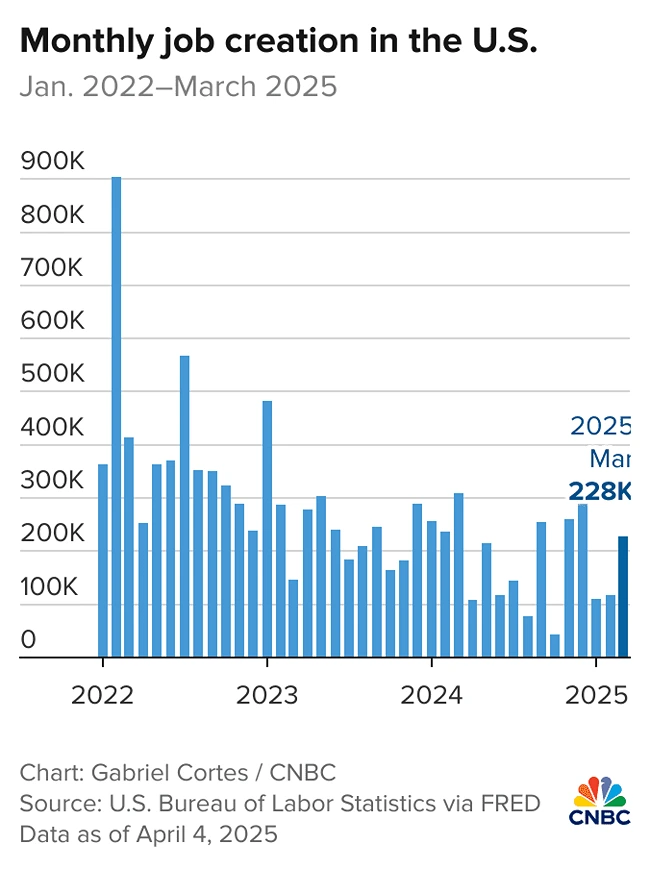
Image Source:CNBC
This is exactly why access to real job data matters more than ever. If you’re in hiring — whether you’re running a warehouse or staffing 300 retail locations — you need to know what’s happening in the labor market right now. Not what was true last quarter. Not what a headline says. Actual, current job market analytics. That’s what helps you figure out how to compete for the people you need.
And honestly? If you’re not looking at this kind of data, you’re behind.
The Skills Gap Is Real, and It’s Getting Worse
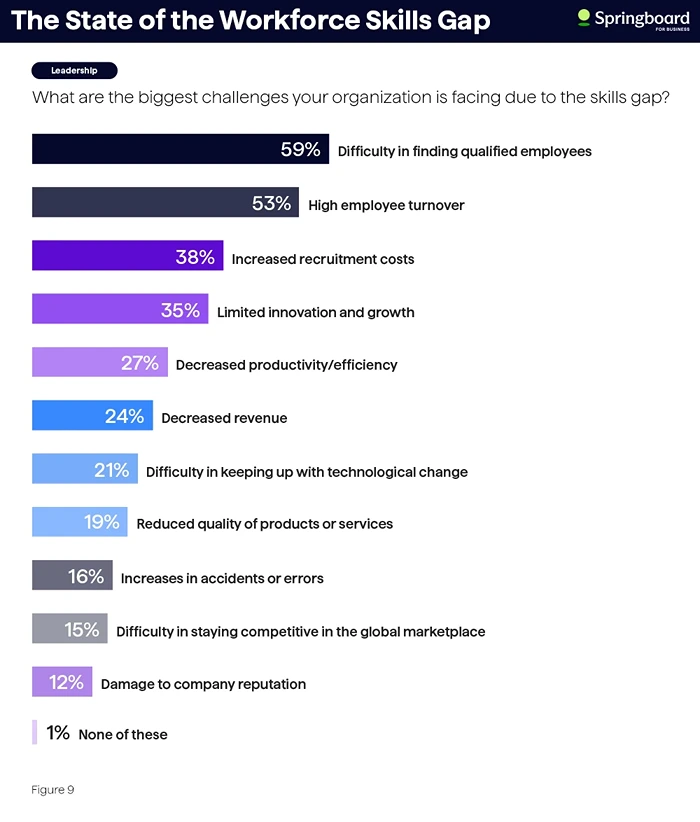
Image Source: Springboard
Here’s what’s really fueling the hiring crisis: a huge skills gap that keeps growing wider.
It’s not that there aren’t enough people. It’s that the people looking for work often don’t have the training needed for the available jobs. And the open jobs? They’re not entry-level. A lot of them require experience with machinery, logistics systems, medical equipment, or even just knowing how to troubleshoot tech on the fly.
That kind of know-how doesn’t come from a quick YouTube tutorial. It takes training. Sometimes months. Sometimes years. And for a long time, we’ve had a system that didn’t do a great job preparing people for those roles.
Vocational programs lost funding. Apprenticeships became rare. A whole generation was pushed toward four-year degrees, while hands-on trades were ignored. Now we’re feeling the fallout. Companies are scrambling to hire people for roles that require real skills, but the talent pipeline just isn’t there. It’s a long-term issue that didn’t happen overnight — and it’s not going away anytime soon.
Manufacturing is a great example. Right now, there are over 400,000 open manufacturing jobs in the U.S. Sounds like a win, right? Jobs are back! But many of those jobs require specific certifications or machine knowledge that most job seekers just don’t have. So the jobs sit there. Unfilled.
And if you’re trying to hire for those roles, you already know how frustrating that is. You post the job. You offer competitive pay. You may even throw in a signing bonus. Still? Crickets.
This is where having access to accurate job data changes the game. If you can see — clearly — what jobs are hardest to fill, what competitors are offering, and where the biggest skill gaps are, you can stop wasting time and actually adjust your strategy. Whether that means changing the requirements, investing in training, or just choosing a different market to recruit from — at least you’re making decisions based on reality, not guesswork.
This is why platforms like JobsPikr, which offer real-time job market insights, aren’t just nice to have anymore. They’re essential. When the gap between open jobs and skilled workers is this wide, data is your edge.
Immigration, Retirements, and the Missing Workers No One Talks About
It’s easy to blame the labor shortage on skills alone — but that’s only half the story. The U.S. workforce is shrinking in ways a lot of people aren’t paying attention to. Between shifting immigration policies, aging workers leaving the workforce, and not enough new workers entering fast enough, the numbers just don’t add up.
Immigration policies are choking off talent
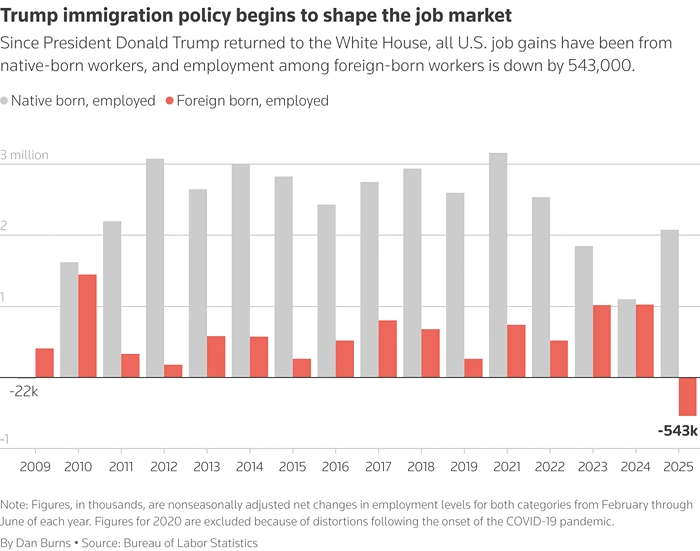
Image Source: Reuters
Whether you agree with the politics or not, the data doesn’t lie. Tighter immigration policies over the past few years have seriously slowed the inflow of workers — especially in industries that rely on foreign-born talent like construction, agriculture, hospitality, and healthcare.
We’re talking about half a million fewer foreign-born workers in the labor force compared to just a few months ago. That’s a huge drop. And it’s not something you can replace overnight. These aren’t all low-wage roles, either. A lot of immigrants bring experience, certifications, and a willingness to do work that’s in high demand but often hard to fill locally.
The result? More job openings with even fewer qualified applicants.
Retirements are draining out experienced workers
At the same time, older workers are leaving — fast. Some retired early during the pandemic and never came back. Others are aging out in huge numbers. The U.S. workforce is getting older, and there aren’t enough younger workers coming in behind them to keep up.
This matters because many of the people retiring are the ones with the hard-to-replace skills. Think machinists, field technicians, electricians, and nurses with decades of experience. When they leave, they don’t just create an open job. They take years of knowledge with them — and they’re not easy to replace with a couple weeks of onboarding.
Gen Z isn’t flocking to these jobs
And let’s be real — a lot of younger workers today aren’t interested in the jobs that are most in demand. Not because they’re lazy, but because those industries haven’t done a great job attracting them. The narrative around factory work, trucking, or the trades hasn’t changed much in decades. That’s on us.
So now we’ve got a labor market where entire industries are aging out, the next generation isn’t being pulled in, and immigration isn’t filling the gaps like it used to.
This is what makes job market analytics so important. You can’t just post and pray anymore. You need to understand who’s available in your region, what skills they have, what wages they’re expecting, and where you’re going to run into hiring bottlenecks — before they happen.
Tools like JobsPikr let you see those patterns in real time, across sectors, states, and skill sets. That kind of visibility? It’s the difference between waiting around for applications that never come — or actually getting ahead of the curve.
Why Posting Jobs Isn’t a Strategy Anymore (And What to Do Instead)
For a long time, hiring was pretty simple. You’d post the job, maybe toss it up on a few job boards, wait a couple days, and boom — a pile of resumes shows up. That playbook? It’s not working anymore.
In today’s labor market, just posting your open jobs and hoping the right people find you is basically wishful thinking. Especially if you’re hiring for roles in industries where open jobs already outnumber workers — which is true in manufacturing, healthcare, logistics, construction, and more.
You’re not just competing on salary anymore
Wages matter — of course they do. But that’s not the only reason someone chooses your job over another. Candidates now look at scheduling flexibility, growth paths, workplace culture, benefits, commute time — all of it.
If you’re only adjusting your job post to include “$2 more an hour” and nothing else, you’re missing the bigger picture. That works sometimes, but it’s not a strategy. It’s a band-aid.
You need to know what the data is telling you
The smartest hiring teams are doing something different. They’re looking at job data in real time. They want to know things like:
- How many jobs like this are being posted right now in my region?
- What are other companies paying?
- Are candidates actually applying for these roles, or skipping them?
- Which locations have more supply of skilled workers?
That’s the kind of intel that lets you make moves based on facts, not guesswork. It’s not about having fancy dashboards or overanalyzing every number. It’s about knowing enough to stop wasting time.
If you’re posting roles in places where there just aren’t enough workers — or you’re offering a salary that’s 20% below market without knowing it — you’re setting yourself up to fail.
JobPikr gives you the full picture
This is exactly where JobsPikr makes a difference. We pull job data from all over — across industries, states, job types — and show you where the demand is, what jobs are trending, what skills are in short supply, and how companies are adjusting their hiring tactics.
You’re not just seeing job titles. You’re seeing job market insights that actually help you plan: where to hire, what to offer, and how to stay competitive in a market that’s constantly shifting.
And right now? Having that kind of edge isn’t optional. It’s survival.
How Companies Can Compete When the Talent Just Isn’t There
At some point, you’ve got to face it: if there aren’t enough workers with the skills you need, you have to compete smarter — not louder. Posting more often, yelling about job openings on LinkedIn, or doubling your recruiting budget isn’t going to fix a structural labor shortage.
So what does work?

Start with the data, always
If you don’t know where your hiring problems actually are, you’re going to chase your tail. Start by asking: where are you consistently coming up short? Which roles get zero traction? What markets have dried up?
That’s where job market analytics come in. A good job data aggregator like JobsPikr doesn’t just show you job titles — it helps you spot hiring trends, wage shifts, and talent shortages before they hit you in the face.
If you’re trying to hire diesel techs in a region where only five qualified people apply a month — and five companies are trying to hire them — you’re in trouble. But if you knew that ahead of time, maybe you’d change your approach: adjust the pay, widen your location, or target a different talent pool.
Rethink what “qualified” means
Another big one: drop the idea that every good hire has to walk in the door fully trained.
There’s a whole segment of people out there who could be great workers — if they had a little support. Maybe they’re career changers. Maybe they’ve got the right mindset but need 6 weeks of upskilling. If you’re constantly turning those people away because they don’t check every box, you’re going to keep running into the same wall.
Some of the smartest companies right now are building training into the job, not waiting around for unicorn candidates. They’re looking at who could do the job, not just who already has.
Act like a marketer, not just a recruiter
Recruiting in a tight market means you’re not just offering jobs — you’re selling opportunities. That means better job descriptions, clearer benefits, and way more honesty about what the role actually involves.
You have to think about what your job looks like to a candidate who has options. Are you selling it in a way that shows growth? Flexibility? Real value? Or are you just dropping a bulleted list of demands and a bland salary range?
If you’re not sure, take a look at what your competitors are doing — and use job market insights to compare your postings against theirs. Data doesn’t lie.
Make it easier to say yes
Final point: make the path to hire smoother. If your application takes 40 minutes, or your interview process drags for weeks, you’re going to lose people — plain and simple.
Candidates are moving fast right now. If they’re qualified and looking, they’re probably fielding multiple offers. You can’t afford to be slow or indecisive.
Simplify your process. Pay attention to drop-off points. Use data to figure out what’s working — and fix what isn’t.
When talent is in short supply, the companies that win aren’t the ones yelling the loudest. They’re the ones who listen better, move quicker, and make smart, data-driven decisions.
Why JobsPikr Is the Hiring Intel Your Team Actually Needs
If you’ve made it this far, you already know the labor market’s a mess right now — full of open jobs, not enough workers, and way too much guesswork.
That’s exactly why JobsPikr exists.
JobsPikr gives you access to real-time job market data, pulled from thousands of job postings across industries, locations, and company types. It’s not some bloated dashboard full of vanity metrics. It’s straightforward, up-to-date labor market trends that help HR leaders, recruiters, and talent teams figure out:
- Where job demand is rising or falling
- What skills are in short supply
- How your job listings stack up against competitors
- Which regions have hiring bottlenecks — and which ones don’t
In short: it shows you the parts of the job market that actually matter — and helps you act on them.
Whether you’re hiring 10 people or 10,000, you need more than a “post and pray” strategy. You need to see the playing field clearly. That’s what JobsPikr delivers. Simple, powerful job data that keeps you one step ahead — even in a hiring landscape that changes week to week.
Let’s Make Better Hiring Decisions Together
If you’re tired of guessing where to hire, how to price your roles, or why no one’s clicking “Apply”, it’s time to bring real job market insights into the conversation.
Get a closer look at how JobsPikr works. Let’s turn job data into hiring wins.
Schedule a demo now or start exploring the platform.
FAQs
1. Why are there so many open jobs in the U.S. right now?
Because the jobs that are open don’t match the workers who are looking. It’s not that people don’t want to work — it’s that a lot of the roles out there right now require specific skills, training, or certifications. And we haven’t done a great job, as a country, of keeping up with that. On top of that, we’ve lost a big chunk of the workforce to early retirements and tighter immigration. So the result? Jobs everywhere. But not enough people ready to step into them.
2. What industries are struggling the most to hire right now?
Manufacturing’s getting hit hard. So is healthcare. Logistics. Skilled trades. Basically, anywhere that needs trained hands-on workers or people with experience — those sectors are running into walls. These industries have thousands of open jobs just sitting there because the supply of talent isn’t meeting the demand, plain and simple.
3. How does job data actually help with hiring?
You can’t fix a hiring problem if you don’t know what’s causing it. Job data tells you where the demand is high, where talent is scarce, and what other companies are offering for similar roles. It shows you if you’re underpaying, targeting the wrong market, or asking for skills nobody nearby actually has. That kind of intel helps you stop guessing — and start making hiring decisions that actually work.
4. What exactly is a job data aggregator, and why should I care?
Think of a job data aggregator like a giant radar for the job market. It pulls listings from all over — job boards, career sites, you name it — and shows you the big picture. Not just what’s open, but where things are trending, what jobs are heating up, and where you might hit bottlenecks. It’s the kind of info that lets you be proactive instead of reactive when it comes to hiring.
5. Are open jobs going to keep outnumbering workers?
Unless something changes fast — yeah, probably. The skills gap isn’t closing, retirements keep climbing, and we’re not bringing in enough new workers to replace the ones leaving. Unless companies start investing in training, rethinking who they hire, or adjusting how they compete for talent, this gap isn’t going away anytime soon.