

- **TL;DR**
- What is an HR Analytics Strategy?
- Turn HR Analytics into a Competitive Advantage
- Why HR Analytics is Essential for Modern Workforce Decisions?
- What Makes an HR Analytics Strategy Truly Effective?
- Turn HR Analytics into a Competitive Advantage
- How HR Analytics Supercharges Talent Acquisition?
- How HR Analytics Can Revolutionize Performance Management?
- How Predictive Analytics Can Boost Employee Retention?
- Turn HR Analytics into a Competitive Advantage
- How HR Capacity Management Drives Successful Project Execution?
- How to Build an HR Analytics Strategy That Drives Results?
- Must-Have Tools for Implementing a Winning HR Analytics Strategy
- Turn HR Analytics into a Competitive Advantage
- Moving from Descriptive to Prescriptive HR Analytics
- Why External Labor Market Data Matters
- Turning HR Analytics into a Strategic Advantage
- Turn HR Analytics into a Competitive Advantage
- FAQs
**TL;DR**
An effective HR analytics strategy helps HR teams move beyond static reports and gut-driven decisions. By combining internal HR data with external labor market intelligence, organizations can improve hiring outcomes, reduce attrition, optimize human resource capacity and project management, and align workforce planning with long-term business goals. This guide breaks down how to build, operationalize, and scale an HR analytics strategy that delivers measurable business impact.
HR has changed. Expectations have changed even faster.
In today’s competitive talent market, HR departments are more than just support functions; they are key drivers of business growth and efficiency. Developing a robust HR analytics strategy allows HR teams to leverage data-driven insights to make informed decisions on talent acquisition, performance management, and employee retention. A comprehensive HR analytics strategy not only improves internal processes but also enhances the organization’s ability to attract and retain top talent, manage human resource capacity, and align workforce planning with strategic goals.
This article will explore how organizations can build an effective HR analytics strategy, the tools and best practices that make it successful, and real-world examples of companies that have achieved significant results. From understanding the key components of HR analytics to the impact on human resource capacity and project management, we’ll cover everything HR tech companies need to know to harness the power of analytics.
What is an HR Analytics Strategy?
An HR analytics strategy is a data-focused approach designed to measure, manage, and improve various aspects of HR, from recruitment and training to employee engagement and retention. It involves the systematic collection, analysis, and use of HR data to support workforce-related decisions.
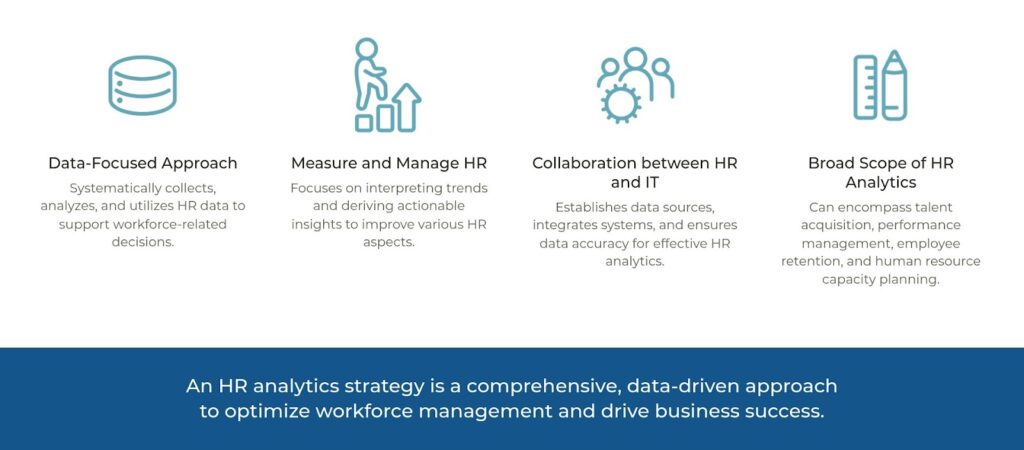
HR analytics goes beyond just collecting data; it focuses on interpreting trends and deriving actionable insights that inform strategies. The process often involves collaboration between HR and IT departments to establish data sources, integrate systems, and ensure data accuracy.
HR analytics can encompass a range of topics, such as:
- Talent Acquisition Analytics: Insights into sourcing channels, candidate quality, and recruitment costs.
- Performance Management Analytics: Data on employee productivity, goal achievement, and areas for development.
- Employee Retention Analytics: Understanding turnover patterns and predicting high-risk employees.
- Human Resource Capacity Planning: Ensuring workforce alignment with business goals by forecasting staffing needs based on project demands.
Turn HR Analytics into a Competitive Advantage
Use external job market intelligence to support smarter hiring, retention, and capacity planning decisions.
Why HR Analytics is Essential for Modern Workforce Decisions?
HR teams face increasing pressure to make strategic contributions that drive company growth. Analytics enables HR departments to make informed decisions by providing insights into talent trends and workforce dynamics. Here’s why an HR analytics strategy is essential:
- Improved Decision-Making: Data-driven insights enable HR to make accurate and timely decisions on talent acquisition, workforce planning, and employee engagement.
- Enhanced Talent Acquisition and Retention: Analytics help HR teams identify where to find top talent, understand employee preferences, and reduce turnover.
- Effective Performance Management: HR analytics insights support the evaluation of employee productivity and highlight areas for skill development and growth.
- Optimized Workforce Capacity: By using predictive analytics, HR can forecast staffing needs, supporting better human resource capacity and project management.
What Makes an HR Analytics Strategy Truly Effective?
Crafting a successful HR analytics strategy requires a structured approach that includes data collection, analysis, and actionable insights. Here are the main components:

1. Defining Clear Objectives
Start by identifying specific HR objectives that align with broader business goals. Whether it’s improving recruitment efficiency, enhancing performance management, or reducing turnover, clear goals guide the analytics process.
2. Collecting Relevant HR Data
Data is the foundation of any analytics strategy. Key data sources include employee records, payroll data, performance reviews, and exit interviews. HR should also consider external data, such as market salary trends or industry benchmarks, to gain a comprehensive view.
3. Data Integration and System Compatibility
For accurate analysis, data should be integrated from various sources, including HR Information Systems (HRIS), Applicant Tracking Systems (ATS), and Employee Management Systems. System compatibility ensures data consistency and minimizes errors.
4. Advanced Analytics Tools
Using the right tools and software is critical to making the most of HR data. Advanced tools, such as HR analytics platforms and AI-driven analytics software, can perform predictive analytics, automate data processing, and generate insights that guide decision-making.
5. Interpreting and Communicating Insights
The goal of analytics isn’t just to collect data but to interpret it in a way that provides actionable insights. HR teams should work on effective visualization techniques to present data clearly and communicate findings to stakeholders.
6. Implementing Continuous Feedback Loops
HR analytics is an ongoing process, and continuous feedback helps to refine strategies. Regularly updating data sources and reviewing performance against benchmarks can help HR teams adjust their approaches as needed.
Turn HR Analytics into a Competitive Advantage
Use external job market intelligence to support smarter hiring, retention, and capacity planning decisions.
How HR Analytics Supercharges Talent Acquisition?
Talent acquisition is one of the most impactful areas where HR analytics can drive results. With data on candidate sourcing, hiring timelines, and recruitment costs, HR teams can optimize recruitment strategies to attract the best talent.
Example: Predictive Hiring Analytics
By analyzing historical hiring data, HR can develop predictive models that identify which candidates are most likely to succeed in specific roles. This data-driven approach enhances the quality of hires, improves retention, and reduces recruitment costs.
How HR Analytics Can Revolutionize Performance Management?
Performance management has traditionally been subjective, often based on annual reviews. However, HR analytics insights provide objective data that can transform how performance is managed, from setting goals to providing real-time feedback.
Example: Employee Productivity Metrics
Analytics tools can track employee productivity levels, project completion times, and goal achievement rates. By identifying patterns, HR can pinpoint high-performing employees and those who may need additional support, creating a more balanced and productive workforce.
How Predictive Analytics Can Boost Employee Retention?
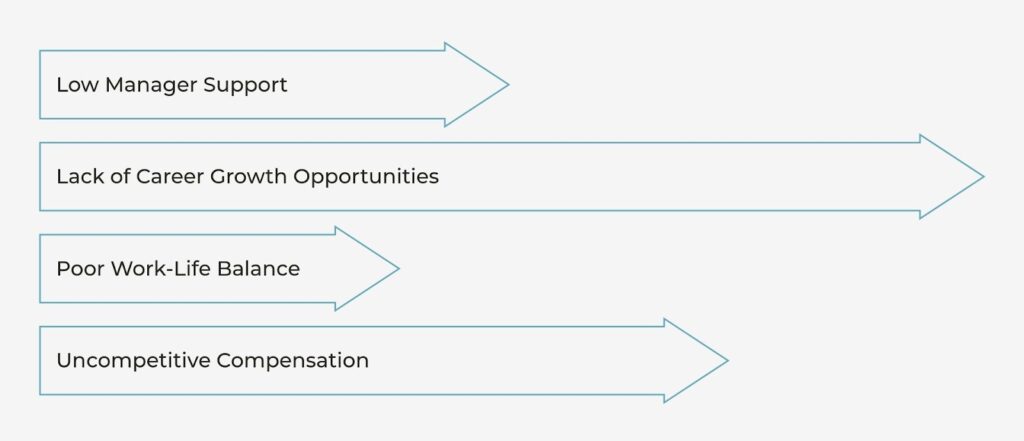
Retention is a critical area for any organization, as turnover is costly and disruptive. By applying predictive analytics, HR teams can identify factors that contribute to high turnover rates and intervene proactively.
Example: Turnover Risk Analysis
Using data from exit interviews, job satisfaction surveys, and performance reviews, HR can build models that predict turnover risk. For example, if data shows that certain roles or departments have higher attrition rates, targeted retention strategies can be implemented.
Turn HR Analytics into a Competitive Advantage
Use external job market intelligence to support smarter hiring, retention, and capacity planning decisions.
How HR Capacity Management Drives Successful Project Execution?
Human resource capacity is a vital factor in project management and overall business planning. By accurately forecasting staffing needs based on project timelines and business goals, HR can ensure that teams are optimally staffed, reducing project delays and minimizing employee burnout.
Example: Workforce Demand Forecasting
With HR analytics, companies can predict upcoming workforce demands based on historical project data, seasonal trends, and company growth projections. This enables proactive staffing decisions and ensures that the business has the right talent in place to meet future demands.
How to Build an HR Analytics Strategy That Drives Results?
- Start with Clear, Measurable Goals
Define specific, measurable goals that align with business objectives. Whether improving retention or enhancing talent acquisition, goals provide direction.
- Prioritize Data Quality and Integration
Data accuracy is critical for reliable insights. Ensure that data from various systems is clean, consistent, and accessible.
- Invest in Training and Skill Development
HR teams need the skills to interpret and leverage data. Invest in training for HR staff to become proficient in analytics and data visualization tools.
- Ensure Data Privacy and Compliance
Handling employee data requires strict adherence to privacy regulations. Ensure data is stored securely and accessed only by authorized personnel.
- Continuously Monitor and Adapt
HR analytics is an evolving field, and strategies should be reviewed regularly to incorporate new insights, technologies, and organizational goals.
Must-Have Tools for Implementing a Winning HR Analytics Strategy
To effectively implement an HR analytics strategy, companies need robust tools that support data collection, analysis, and reporting. Here are some commonly used tools:
- HR Information Systems (HRIS): Systems like SAP SuccessFactors and Workday serve as central databases for employee information, integrating data for easy analysis.
- Applicant Tracking Systems (ATS): These systems, such as Greenhouse or Lever, help track candidates through the hiring process, providing data on sourcing channels and recruitment timelines.
- People Analytics Platforms: Tools like Visier and Tableau can help HR teams visualize data, perform predictive analytics, and generate actionable insights.
- Survey and Feedback Tools: Tools like Qualtrics and SurveyMonkey allow HR to gather employee feedback and satisfaction data, contributing valuable insights into retention and engagement.
Turn HR Analytics into a Competitive Advantage
Use external job market intelligence to support smarter hiring, retention, and capacity planning decisions.
Moving from Descriptive to Prescriptive HR Analytics
Most HR teams begin their analytics journey by answering a simple question: What happened?
Descriptive analytics focuses on historical data such as headcount changes, attrition rates, or time-to-hire. While this level of insight is necessary, it rarely drives meaningful action on its own.
The next step is predictive analytics, which looks at patterns in past data to anticipate future outcomes. For example, predicting which roles are likely to face higher attrition or estimating future hiring demand based on business growth. This already moves HR from reporting into planning.
Prescriptive HR analytics goes one step further. Instead of only predicting outcomes, it helps HR teams understand what actions to take and why. For instance, rather than stating that a critical skill shortage is likely, prescriptive analytics can suggest whether the organization should hire, reskill existing employees, or shift work to a different location based on talent availability and cost.
This shift is especially valuable for human resource capacity and project management. Prescriptive insights can help HR model different workforce scenarios, assess delivery risk, and recommend staffing strategies that balance cost, capability, and timelines.
Moving toward prescriptive analytics does not require complex systems overnight. It starts with clearly defined workforce questions, reliable data, and closer collaboration between HR, finance, and business leaders. Over time, this approach allows HR to play a more proactive role in shaping workforce decisions rather than reacting to them.
Why External Labor Market Data Matters
An HR analytics strategy built only on internal data provides an incomplete view of the workforce. While internal HR data explains what is happening inside the organization, it does not reveal whether those trends are driven by broader market forces or internal issues.
External labor market data adds this missing context. It helps HR teams understand how skills demand is shifting, which roles are becoming harder to fill, how compensation benchmarks are evolving, and where talent supply is tightening or expanding. Without this perspective, workforce decisions risk being reactive or misaligned with reality.
When external data is integrated into an HR analytics strategy, hiring and workforce planning become more accurate. For example, if internal data shows rising attrition in a specific role, labor market data can clarify whether this is due to increased competition for that skill, emerging new roles, or wage pressure across the market.
This insight is especially valuable for human resource capacity and project management. External labor market signals help HR anticipate hiring bottlenecks, choose optimal locations for talent, and decide whether to build, buy, or redeploy skills to support project timelines.
Ultimately, external labor market data allows HR to shift from inward-looking analysis to market-aware decision-making. It strengthens workforce planning, reduces hiring risk, and ensures that HR strategies are grounded in real-time talent dynamics rather than assumptions.
Turning HR Analytics into a Strategic Advantage
An effective HR analytics strategy enables organizations to leverage data in making strategic workforce decisions. From optimizing recruitment and performance management to ensuring sufficient human resource capacity for project management, analytics empowers HR to play a more strategic role.
For HR tech companies, helping organizations build and implement these strategies is essential in today’s data-driven world. By following best practices, investing in the right tools, and continuously adapting, businesses can harness the full potential of HR analytics to achieve organizational goals and sustain competitive advantage in the talent marketplace.
To take your HR analytics strategy to the next level, Sign up on Jobspikr for access to rich job market data and insights, empowering data-driven workforce decisions and strategic growth.
Turn HR Analytics into a Competitive Advantage
Use external job market intelligence to support smarter hiring, retention, and capacity planning decisions.
FAQs
What is an HR analytics strategy?
An HR analytics strategy is a structured approach to using workforce data to support strategic decisions across hiring, performance, retention, and workforce planning.
Why is HR analytics important for workforce planning?
It helps forecast talent demand, identify skill gaps, and align hiring and reskilling efforts with business needs.
What data is needed for an effective HR analytics strategy?
Key data includes employee records, recruitment metrics, performance data, engagement surveys, and external labor market intelligence.
Is HR analytics only for large enterprises?
No. Organizations of all sizes can benefit from HR analytics with the right strategy and focus.
How often should an HR analytics strategy be reviewed?
Regularly, to reflect changes in business priorities, workforce models, and labor market conditions.