
- **TL;DR**
- The Forces Reshaping the Labor Market in 2025
- Ready to make smarter workforce decisions with high-quality job market data?
- Technological Advancements Shaping Employment
- The Rise of Remote Work: From Trend to Norm
- Ready to make smarter workforce decisions with high-quality job market data?
- Demographic Shifts: Aging Populations, Millennials and GenZ in the Workplace
- Diversity and Inclusion: From Buzzwords to Business Imperatives
- Workforce Intelligence & Predictive Hiring in 2025
- Globalization of Talent & Distributed Teams
- What the 2025 Labor Market Means for Employers and Workers
- Ready to make smarter workforce decisions with high-quality job market data?
- FAQs
**TL;DR**
The 2025 labor market continues to transform at an unprecedented pace. AI adoption, automation, remote work normalization, sustainability-focused roles, demographic shifts, and evolving employee expectations are reshaping how companies hire, engage, and retain talent. Employers that embrace continuous learning, data-driven workforce planning, flexible work models, and inclusive culture will remain competitive in this dynamic landscape.
Considering that the 2025 labor market is expected to undergo significant changes due to persistent technology development, modified socio-economic aspects, and heightened emphasis on remote work and staff wellness – how can various stakeholders effectively adapt to these transformations?
Well, those involved in the job market will have to accommodate an ever-changing landscape driven by persistent technology improvements, sociological-economical modifications, and expanding interest in distant workplaces and staff wellness. Anticipating around 47% of jobs potentially being automated by 2030, enterprises should emphasize formulating resilient methods for handling tomorrow’s employees.
Concurrently, workers will look for careers with versatility, significance, and learning potential as they traverse the mutating occupation terrain. Moreover, escalating globalization and population fluctuations introduce additional layers to the competent workforce, stressing the importance for associated parties to recognize such influences when preparing for the future of professions.
The Forces Reshaping the Labor Market in 2025
The modern labor market reflects the cumulative effects of several macro forces: technological acceleration, demographic shifts, globalization, worker expectations, and economic restructuring. Employers, educators, workers, and policymakers must all navigate this new terrain.
Three major themes define 2025:
1. Technology is reshaping the very architecture of work.
Automation, AI copilots, robotics, and digital collaboration tools have changed job roles, job availability, and productivity expectations.
2. Worker expectations have fundamentally shifted.
Flexibility, mental health support, career mobility, and meaning-centered work now influence job decisions more than compensation alone.
3. Demographics and global access to talent are redefining competition.
Aging populations, shrinking workforces, and borderless hiring have created new pressures and opportunities in talent acquisition.
Understanding these forces is crucial to forecasting labor market trends — and knowing how to stay ahead of them.
Ready to make smarter workforce decisions with high-quality job market data?
See how real-time job data can strengthen your hiring strategies, competitive intelligence, and workforce planning.
Technological Advancements Shaping Employment
Automation & Robotics: Redefining Job Structures
Automation has become deeply integrated into logistics, retail, finance, and manufacturing. Rather than replacing entire jobs, automation increasingly targets tasks — which reshapes job descriptions and skill requirements.
- Repetitive manual roles are being phased out or restructured.
- Hybrid roles that fuse technical proficiency with human judgment are emerging.
- Robotics adoption in warehouses, food supply chains, and healthcare is reducing physical strain while increasing demand for technician-level oversight.
Organizations that succeed with automation do not replace workers — they upskill them.
Artificial Intelligence (AI): From Assistance to Co-Creation
AI has expanded beyond predictive analytics to generative, decision-support, and operational assistance roles. AI is now embedded in hiring workflows, customer service, financial modeling, coding, and product management.
This creates growing demand for:
- AI trainers and explainability specialists
- Data analysts and AI-integrity auditors
- Prompt engineers and automation strategists
- AI compliance and ethics professionals
The labor market trend is clear: AI adoption expands job opportunities as much as it automates them — provided workers receive adequate reskilling support.
Remote Work Technologies: Enabling Global Talent Mobility
Cloud collaboration tools, advanced virtual meeting platforms, secure remote infrastructure, and asynchronous communication standards have made remote work a mainstream, sustainable model.
Employers benefit through:
- Access to specialized talent worldwide
- Lower operating expenses
- Broader diversity and inclusion opportunities
Workers benefit through:
- Greater flexibility
- Reduced commute time
- Better work-life balance
Remote work is no longer a perk — it’s a structural labor market trend shaping how and where work happens.
Green & Clean Technologies: The Sustainability-Driven Talent Boom
As countries and corporations commit to net-zero targets, green technologies continue creating entirely new job families:
- Climate data analysts
- Sustainability strategists
- Renewable energy engineers
- Environmental compliance officers
- Carbon accounting specialists
The demand for green skills now outpaces supply in many markets.
Blockchain & Decentralized Technologies
Blockchain continues gaining traction in logistics, supply chain integrity, financial auditing, and legal contract automation. Demand is rising for:
- Smart contract developers
- Blockchain auditors
- Crypto compliance experts
These are niche roles, but fast-growing ones, representing an important node in the 2025 labor market.
Technological abilities have become crucial, highlighting the importance of ongoing education and flexibility for current workers.
The Rise of Remote Work: From Trend to Norm

Image Source: https://www.forbes.com/
The labor market has undergone a significant shift due to remote work, transitioning from a rare advantage to a widely accepted norm. In 2025, both employers and employees consider remote work as a fundamental component of job arrangements, with several key factors propelling this transformation:
- Technological advancements have simplified collaboration and communication across distances, making remote work more viable.
- Employee demand for work-life balance has resulted in a greater call for flexible working situations.
- Global talent access has encouraged companies to broaden their search for skilled professionals beyond local geographies.
- Sustainability initiatives promote remote work to reduce carbon footprints associated with commuting and office maintenance.
- Pandemic-induced shifts proved that many jobs could be performed effectively outside traditional office settings, leading to permanent adoption.
Artificial Intelligence and Automation: Job Displacement or Creation?
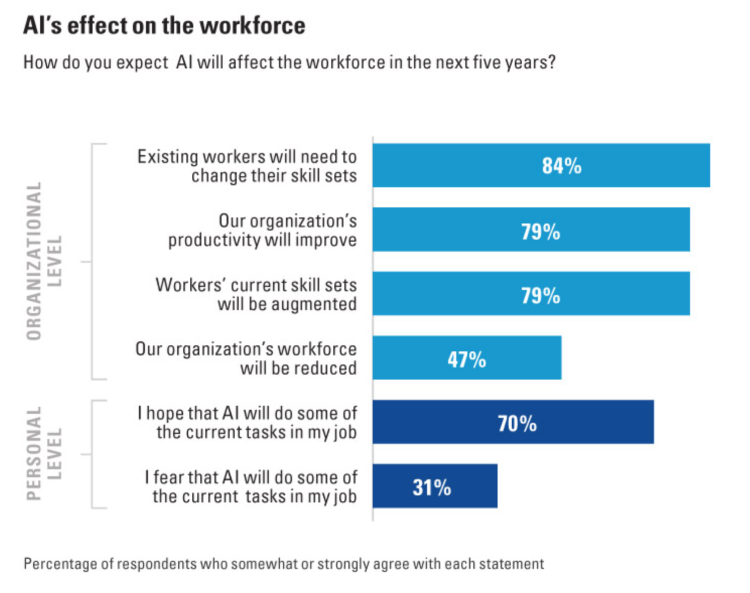
Image Source: https://jobmarketmonitor.com/
The modern work environment stands on the precipice of a significant transformation, driven by relentless technological progress. Artificial Intelligence (AI) and automation introduce substantial changes throughout numerous industries, especially those with positions featuring monotonous chores and predictable patterns.
Despite these difficulties, such technological advances have given rise to novel career possibilities in areas including but not limited to AI creation, data examination, and system regulation. Assessing the overall effect on employment remains a matter of extensive discussion, yet discernible trends are beginning to surface:
- Automation is phasing out some low-skill jobs, resulting in increased demand for retraining programs.
- AI is generating roles that require advanced digital literacy, spurring educational reforms to prepare the workforce.
- The quality and accessibility of retraining and educational programs are pivotal in determining whether displacement will be outweighed by job creation.
Ready to make smarter workforce decisions with high-quality job market data?
See how real-time job data can strengthen your hiring strategies, competitive intelligence, and workforce planning.
The Skills Gap Analysis: Bridging Education with Industry Needs
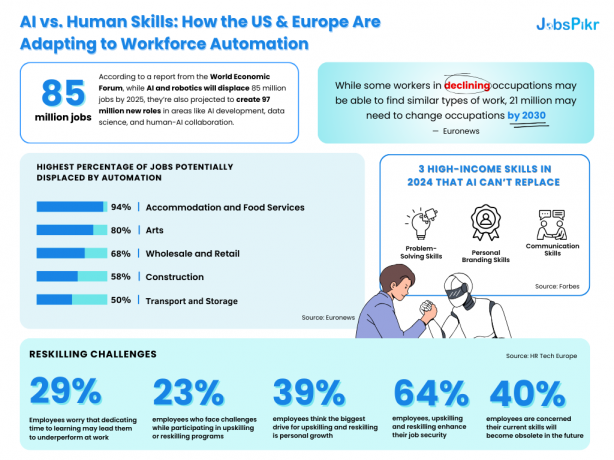
Image Source: https://www.jobspikr.com/
The labor market in 2025 reflects a persistent skills gap. Industries often report a shortage of adequately trained workers to fill specialized roles. Skills gap analysis emerges as a critical bridge:
- Assessment of Needs: Employers pinpoint specific skill deficiencies hindering productivity.
- Customized Education Programs: Academic institutions develop targeted curricula in direct response.
- Continuous Learning: On-the-job retraining and upskilling become integral to worker development.
- Collaborative Efforts: Partnerships between businesses and schools ensure relevance and effectiveness.
By aligning educational output with market demands, workers gain relevancy, and industries enjoy a competitive workforce.
The Gig Economy: Challenging Traditional Employment Models
The gig economy continues to expand, fundamentally altering the traditional employment landscape. Workers now seek flexible, short-term jobs instead of longstanding, full-time positions. This shift is powered by digital platforms that connect freelancers with gigs instantaneously.
Companies benefit from lower overheads by utilizing independent contractors, while workers embrace the autonomy and variety of freelancing. However, this model raises questions about job security, benefits, and labor rights, pressing policymakers to consider new frameworks to protect gig workers.
Green Jobs: The Growth of Eco-Friendly Careers
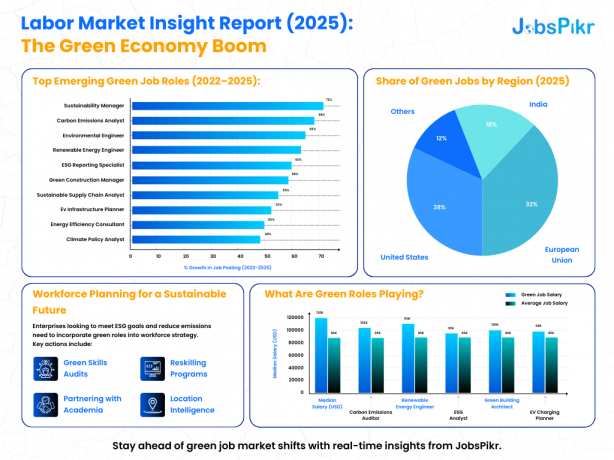
The labor market is increasingly influenced by the global push for sustainability. In 2025, eco-friendly careers are witnessing significant growth as both private and public sectors prioritize environmental responsibility. The surge in green jobs can be observed in various industries, including:
- Renewable energy (solar, wind, and hydroelectric power)
- Sustainable agriculture and organic farming
- Waste reduction and recycling initiatives
- Green construction and sustainable architecture
- Environmental consulting and policy development
- Conservation and wildlife management
Employers now prioritize hiring professionals with both expertise and a profound comprehension of environmental effects and sustainable practices. This growing preference for “green jobs” indicates a job market that appreciates and integrates ecological considerations with economic progress.
Demographic Shifts: Aging Populations, Millennials and GenZ in the Workplace
Labor market dynamics are evolving with significant demographic shifts. By 2025, aging populations in developed nations will impact labor availability, pressing organizations to adopt more age-inclusive practices and potentially automate roles. Millennials will constitute a significant portion of leadership roles, reshaping workplace cultures with an emphasis on flexibility, purpose, and technological fluency.
- Generation Z (GenZ), the “digital natives”, will continue entering the workforce, bringing a fresh perspective, innovative ideas, and a strong predisposition towards technology and social responsibility.
- Collaboration between diverse age groups will be key, as the exchange of knowledge and skills becomes essential to staying competitive.
- Employers must focus on cross-generational mentoring programs, fostering an environment where experience meets innovation.
- Retaining talent across all generations will necessitate personalized career paths, upskilling opportunities, and a deeper understanding of varying motivational drivers.
Mental Health and Wellbeing: Prioritizing the Human Element at Work
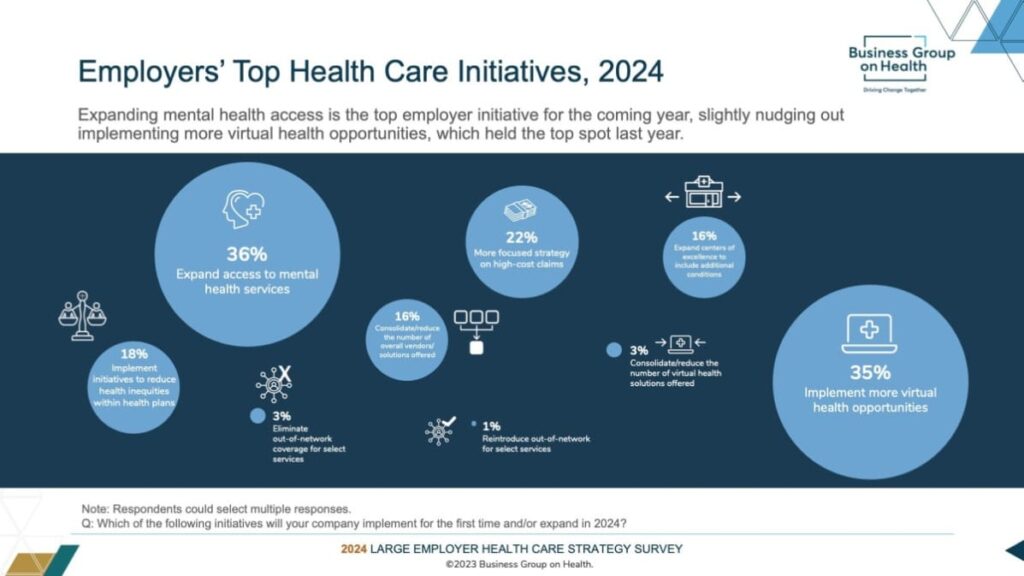
Image Source: https://hrexecutive.com/a-dire-situation-employees-mental-healthcare-needs-are-soaring-again/
The importance of employee mental health to organizational success is becoming widely recognized by businesses in 2025. Firms are establishing comprehensive wellness initiatives that include mental health days, counseling services, and stress reduction sessions. These companies understand that contented employees are more productive and are therefore adopting a more extensive perspective on staff benefits.
Emphasizing mental health as a crucial element of their corporate identity enables these organizations to better support their workers while simultaneously improving overall effectiveness and boosting their appeal to top-tier candidates. In today’s competitive job market, prioritizing mental well-being significantly impacts both employment decisions and business reputation.
Diversity and Inclusion: From Buzzwords to Business Imperatives
As the landscape of labor markets changes, diversity and inclusion (D&I) have shifted from being trendy terms to critical components of business strategy. Organizations now understand that having a varied workforce goes beyond taking an ethical position; it also provides them with a competitive edge. Given the increasing body of research that links D&I to enhanced performance, innovation, and decision-making skills, companies are ramping up their initiatives to prioritize and promote:
- Attract candidates from varied backgrounds
- Create inclusive cultures for innovation to thrive
- Implement equitable hiring practices
- Provide diversity training and development opportunities
These actions are not just for appearances – businesses eager to excel are making D&I central to their strategic plans.
Here’s a Podcast Episode from JobsPikr’s Industry Forum on Global Perspectives on DEI: How DEI Initiatives Vary Across Different Regions and Cultures that might interest you!
The Role of Big Data in Talent Acquisition and Retention Strategies
Big Data has become an indispensable ally for companies in the art of talent acquisition and retention. Here’s how:
- Strategic Recruitment: Employers now leverage job data analytics to identify patterns and predict candidate success, ensuring a more strategic and informed hiring process.
- Personalized Experience: Big Data enables a personalized approach in engaging potential hires, tailoring communications, and benefits to align with individual preferences.
- Performance Prediction: Predictive analytics assist in foreseeing future employee performance and fit, reducing turnover by securing more compatible hires.
- Retention Analysis: By examining trends and employee feedback, businesses can enact data-driven retention strategies, curbing attrition rates.
- Skill Gap Identification: Data analysis tools help in pinpointing skill gaps within an organization, guiding targeted training programs and internal career development.
Utilizing Big Data in these ways helps companies shape a robust workforce tailored to their dynamic needs and the competitive landscapes of 2025.
Workforce Intelligence & Predictive Hiring in 2025
In 2025, employers no longer guess what talent they need — they use predictive labor market analytics to pinpoint emerging roles and skills before gaps appear.
Predictive hiring enables organizations to:
- Forecast future headcount needs
- Identify upcoming skill shortages
- Prepare training programs before demand spikes
- Allocate budgets more effectively
- Benchmark against competitors
Companies with strong workforce intelligence strategies respond faster to market changes and talent shortages.
Globalization of Talent & Distributed Teams
Global talent mobility is one of the most significant labor market trends of 2025.
Companies are hiring across borders due to:
- Local talent shortages
- Affordable access to skilled global workers
- Remote infrastructure maturity
- Demand for 24/7 distributed operations
This shift requires stronger compliance, cross-cultural management, and international payroll solutions — but it also unlocks enormous competitive advantages.
What the 2025 Labor Market Means for Employers and Workers
The ability to adapt is crucial for both companies and workers in the rapidly changing labor market of the future. Focusing on ongoing education and developing new skills will help prepare everyone for technological progress. Companies need to adopt versatile working conditions and varied recruitment approaches.
On the other hand, individuals should enhance their interpersonal abilities like innovation and troubleshooting to stay relevant in the job market. Through foresight and active preparation, all parties involved can effectively manage upcoming shifts in the employment landscape.
Ready to make smarter workforce decisions with high-quality job market data?
See how real-time job data can strengthen your hiring strategies, competitive intelligence, and workforce planning.
FAQs
What are the biggest labor market trends in 2025?
The most influential trends include AI adoption, automation, remote work normalization, the rise of green jobs, demographic shifts, and increased demand for hybrid skill sets combining technical and human capabilities.
How is AI affecting the labor market?
AI is automating repetitive tasks while creating new roles in data science, AI oversight, model governance, and digital strategy. Its impact depends on the availability of reskilling programs and employer investment in workforce development.
Why is the skills gap widening?
Technology is advancing faster than educational institutions can adapt. Many job roles now require hybrid skill sets, and workers lack continuous upskilling opportunities. Skills gap analysis helps employers anticipate and address future talent needs.
Will remote work remain a long-term trend?
Yes. Remote and hybrid models have proven effective, reducing costs and improving employee satisfaction. Companies now hire globally, and workers expect flexibility as a standard benefit.
What types of jobs are growing in 2025?
Growth roles include AI and automation specialists, renewable energy professionals, data analysts, cybersecurity experts, mental health professionals, and sustainability-focused positions.
How should workers prepare for the future labor market?
Workers should focus on continuous learning, technical literacy, soft-skill development, and portfolio-style career building. Adaptability is the most critical skill for long-term success.