
- **TL;DR**
- Why FedEx’s Workforce Strategy Is Worth Studying
- Planning for the Storm Before It Hits
- When Robots and Humans Work Side by Side
- Keeping Frontline Workers Safe When the World Shuts Down
- Reskilling, Not Replacing: FedEx’s Long Game
- What Your Team Can Learn From FedEx’s Playbook
- Crisis-Proof Workforces Don’t Happen by Accident
- FAQs
**TL;DR**
FedEx didn’t wait for things to go wrong—they just assumed they might. That’s kind of the whole story here. They’ve built their workforce like you’d build a bridge: strong upfront, with backup supports in case things shake. Busy season? Already hired. Global crisis? Safety plans, wellness support, paid time off, and then some. They don’t rely on guesswork—they look at data and patterns to prep their teams before the chaos hits. And they’ve been quietly teaching their people new skills along the way. Not just to keep up, but to stay ahead. All in all, their playbook isn’t flashy, but it works. And if you work in HR or workforce planning, it’s probably worth stealing a few pages from it.
Why FedEx’s Workforce Strategy Is Worth Studying
Image Source: PeopleMatter
FedEx probably doesn’t come to mind first when you think of cutting-edge HR strategy. But maybe it should. They’ve got this almost invisible system that somehow keeps everything running—even when the pressure’s insane. Holidays, weather, global messes, you name it. Packages still show up. Planes still take off. Workers still report in. How?
It’s not magic. It’s workforce planning. Not the kind of planning that gets written into PowerPoints and forgotten. We’re talking about real, on-the-ground, gritty, hands-dirty kind of planning. Stuff that’s built into how they operate every single day. They prepare for what’s coming before it shows up.
Think about it: they’ve got operations across 200+ countries. That’s a lot of moving parts. And yet, when something goes wrong—when demand spikes or flights get grounded—they don’t freeze. They adjust. Quickly.
That’s why it’s worth paying attention. If you’re in HR, talent, or ops, and your job touches anything like frontline labor, this is a company you want to study. Not because they’re perfect, but because they’ve figured out how to stay functional when everything around them is shaky.
You can’t fake that kind of resilience. It takes years of building up the right systems—and more importantly, the right people in the right places. And when you zoom in, what you see is a mix of good forecasting, solid staffing strategies, tech that helps (not replaces), and a lot of trust in their teams on the ground.
There’s a playbook here. And in the rest of this piece, we’re going to walk through what it looks like—and what other companies could take from it.
Planning for the Storm Before It Hits
You know how, every year, once the holidays roll in, a lot of shipping companies go into panic mode? Orders pile up, people call out, and warehouses start running hot. It’s chaos. But FedEx? They don’t freak out, not like the rest do. It’s kind of like they saw it coming. And the truth is, they probably did.
They’ve been doing predictive staffing long before it was a buzzword. Basically, they take all the historical data, package volumes, weather, demand trends, and regional shipping patterns and map it out. They look at what’s likely to happen, not just what already happened. And then, months before things heat up, they start hiring. Not panicking. Hiring.
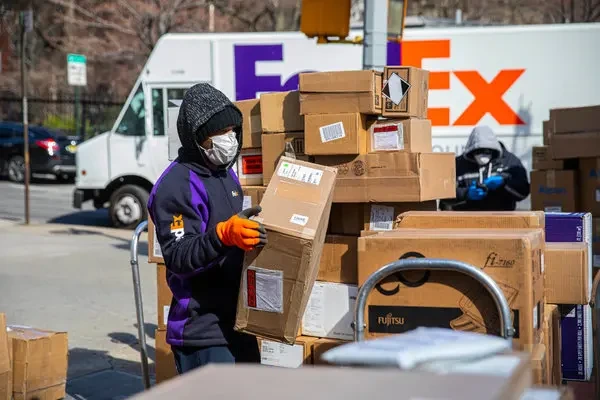
Image Source: NewYork Times
Take 2020, for example. Peak pandemic. FedEx brought on nearly 90,000 seasonal workers across the U.S. alone. That’s not a small number. But they weren’t just throwing people into roles. These were jobs placed where they were needed, distribution centers in hotspots, last-mile delivery routes that were projected to spike, and places that needed backup.
And they don’t just lean on full-timers. There’s a layered model: temps, part-timers, even contractors in some regions. That flexibility means they can expand fast, but still keep quality high. It’s not perfect (nothing ever is), but it works better than waiting till you’re already underwater.
Most companies react. FedEx predicts. That’s the difference. And it’s not because they’ve got some secret tool nobody else has. It’s because they’ve baked planning into the core of their ops. HR teams aren’t just brought in when there’s a hiring problem—they’re part of the forecasting loop from the start.
If you’re thinking about your workforce strategy, that might be the first place to look. Are you building around past problems or future patterns? Because that shift, from looking back to looking ahead, is what makes or breaks resilience during crunch time.
When Robots and Humans Work Side by Side
You hear “automation” and most people think of job cuts. Replacing humans. That whole thing. But at FedEx, the story’s different. The robots are there, but not to take over. They’re there to help. And in the middle of a global crisis, that decision made all the difference.
Robots Don’t Get Tired, But They Don’t Think on Their Feet Either
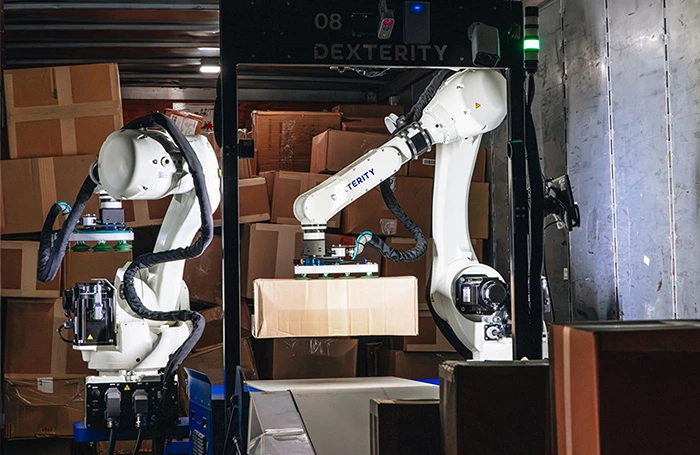
Image Source: The Robot Report
FedEx started bringing automation into its warehouses years ago. Things like robotic arms to sort packages, conveyor systems powered by AI, and smart scanning tools. These machines work fast, sure—but more importantly, they handle the boring, heavy, repetitive stuff. The kind of tasks that wear people down.
So what happens when humans aren’t doing that grind work? They’re freed up for roles where judgment, decision-making, and adaptability matter. And during times like COVID, where supply chains got messy and plans had to shift by the hour, having human brains focused on the right problems was crucial.
It’s not “man vs. machine.” At FedEx, it’s very much “man + machine.”
Automation Helps with More Than Just Speed
Speed is a bonus, but the real win here is workforce safety and stability. Robots don’t get sick. Robots don’t call in sick. And when a bunch of people had to stay home during the worst parts of the pandemic, those machines kept the basics running. Not everything, sure—but enough to hold things together until folks could come back.
This gave HR and ops teams breathing room. Fewer bodies crammed into tight warehouse spaces meant lower risk. It also meant they could shift some employees to new roles, without layoffs, because automation filled gaps, not people’s shoes.
There’s also less burnout. People aren’t spending 8 hours lifting 40-pound boxes or standing in one place sorting. That’s better for morale, retention, and long-term health. You can’t build a resilient workforce if your frontline burns out every year.
Technology Isn’t the Strategy. It Supports the Strategy.
Here’s the key difference: FedEx didn’t throw robots at a problem hoping it would go away. They built a strategy where automation and people were meant to work together. That only happens when HR, operations, and tech teams are aligned from the beginning.
If your company is thinking about automation, start by asking how it can protect and support your people, not replace them. That’s the lesson from FedEx. It’s not about efficiency for its own sake. It’s about making your workforce stronger, steadier, and more sustainable.
Keeping Frontline Workers Safe When the World Shuts Down
When COVID hit, a lot of companies stalled, but FedEx kept running. Their operations stayed active while frontline teams navigated unprecedented challenges. So, how did they manage to retain talent, maintain logistics, and keep people safe?
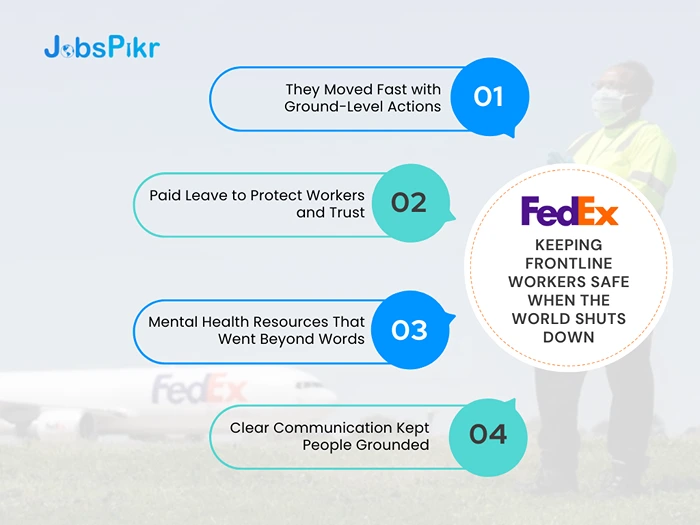
They Moved Fast with Ground-Level Actions
When COVID first hit, FedEx didn’t waste time. They got right to it—masks, hand sanitizer, cleaning crews working overtime, that kind of thing. They even switched up shift times so fewer people were bumping into each other on the floor. It wasn’t fancy, but it worked. Helped slow the spread and gave their ops teams a bit of breathing room while the rest of the world was still figuring things out. Ever since the outbreak began, isolation leave has been treated as paid time, ensuring staff did not lose income while quarantining.
Paid Leave to Protect Workers and Trust
FedEx decided early on to compensate employees who needed to self-isolate or deal with COVID-19 symptoms. They offered full pay during quarantine periods rather than pushing people to use vacation or unpaid time off. That approach built trust—people didn’t feel pressured to come into work sick and could focus on recovery or caregiving. FedEx
Mental Health Resources That Went Beyond Words
It wasn’t just about masks and sick leave. FedEx expanded access to mental health services, and employees and their eligible household members could get 24/7 counseling via the Employee Assistance Program (EAP). They also offered life‑care support for family challenges, stress management programs, financial counseling, virtual therapy options, and telemedicine (used over 19,000 times in 2021 alone).
In Singapore, FedEx earned multiple awards for its mental health commitment, including programs like wellness talks, “Are You OK?” check‑ins, and a platform called “Shall We Talk About Wellbeing.” FedEx Newsroom
Clear Communication Kept People Grounded
HR and leadership teams kept communication clear and regular. From weekly site‑level briefings to town hall updates, workers were kept in the loop. This transparency helped build confidence in the safety measures and reduced anxiety. It wasn’t just lip service—workers knew policies were active and meaningful. FedEx
All these components—paid leave, physical safety steps, mental health support, and ongoing communication—meant that FedEx could continue operations while respecting its people’s well‑being. That mix of care and pragmatism made their frontline more resilient. It was more than crisis response—it was crisis-proof planning in action.
Reskilling, Not Replacing: FedEx’s Long Game
For a company that’s leaned into automation and AI, FedEx doesn’t seem too eager to replace humans. In fact, it’s doing the opposite. They’re betting big on the idea that their future depends on people, just people who’ve been trained to adapt.
They’re Not Just Training Drivers, They’re Growing Careers
FedEx doesn’t treat upskilling as an afterthought. It’s baked into how they keep people around. Through programs like “Learn Today, Lead Tomorrow”, frontline employees get access to training in everything from logistics systems to leadership development.
And we’re not talking about generic slide decks or one-time webinars. In 2021 alone, FedEx spent more than $300 million on employee learning and development initiatives, offering hands-on training, job shadowing, and tuition assistance for eligible team members. (FedEx ESG Report)
Warehouse staff, for example, can move into supervisory or tech-enabled roles if they show interest and complete the training. It’s not just a retention tactic. It’s a way to build institutional knowledge and develop people who actually understand the business from the ground up.
Reskilling Is the Answer to a Fast-Changing Industry
Let’s face it, logistics isn’t standing still. Automation, AI, electric vehicles, even drone delivery, everything’s evolving fast. FedEx knows that if they don’t keep up, it’ll fall behind. But instead of cycling through talent constantly, they’re giving their workforce a chance to grow with the tech.
And that’s key. Because automation doesn’t solve everything. You still need problem solvers, team leads, people who know how to step in when machines fail. Reskilling isn’t just a “nice to have,” it’s how FedEx keeps its teams future-ready.
Even their digital platforms reflect this thinking. Their “FedEx Ground Career Path Program” connects hourly team members to educational resources, helping them upskill into more technical or leadership roles. Whether you start in package handling or entry-level operations, there’s a roadmap forward—if you’re willing to learn.
They’re Playing the Long Game
Here’s the truth most companies avoid: hiring new people all the time is expensive. Training someone new from scratch costs way more than helping an existing employee level up. FedEx seems to get that. They’re not just filling jobs. They’re building talent from within.
That mindset doesn’t just save money. It builds loyalty. When people see a path forward—one that doesn’t involve being pushed out by a robot—they stick around. And they bring others with them.
In the end, FedEx’s reskilling model isn’t flashy. But it works. It’s practical. It’s grounded. And it shows that smart hr workforce planning isn’t about reacting to change—it’s about preparing your people for it before it hits.
What Your Team Can Learn From FedEx’s Playbook
Most companies aren’t FedEx. You might not have aircraft fleets or global distribution hubs. But that doesn’t mean you can’t learn from what they’ve figured out. Because at its core, FedEx’s success comes down to something very human: preparation. And any company, no matter the size, can build that into how they operate.
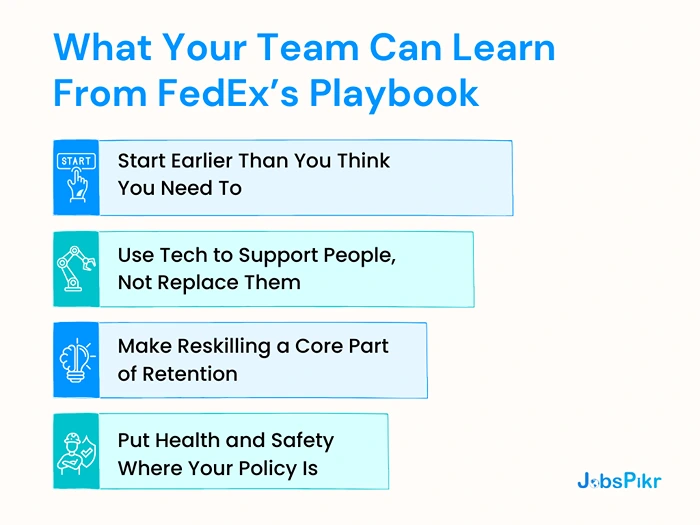
Start Earlier Than You Think You Need To
The first lesson is painfully simple: don’t wait until the surge hits. FedEx starts seasonal planning months in advance. They use predictive staffing models based on real data—historical demand, economic indicators, and even weather patterns.
You might not have a predictive analytics team (yet), but you can still get ahead of the curve by digging into your internal data. Look at past spikes, turnover trends, and absenteeism. Find your pressure points before they explode. That’s the heart of strategic workforce planning—getting in front of change.
Use Tech to Support People, Not Replace Them
FedEx’s automation strategy works because it’s human-centered. Robots take the strain off, not the opportunity. This is where a lot of companies go wrong. Tech is introduced as a cost-cutter instead of a support system.
If you’re rolling out automation, ask yourself: What does this free up my people to do better? If you don’t have an answer, maybe the strategy needs rethinking.
Make Reskilling a Core Part of Retention
FedEx trains people for what’s next. That’s how they hold onto talent even in a hyper-competitive labor market. If your employees only know how to do the job they were hired for and nothing else, you’re not just vulnerable. You’re building turnover into your system.
Even a small internal training effort can pay off. Job shadowing. Peer-to-peer coaching. Leadership pathways for frontline staff. These are low-cost, high-impact ways to keep your people growing inside the business instead of looking outside for new roles.
Put Health and Safety Where Your Policy Is
COVID-19 exposed a lot of companies that had no plan for keeping workers safe, physically or mentally. FedEx showed up for their people with paid leave, PPE, and real communication. That’s not just good ethics. It’s a good strategy.
If your workforce doesn’t feel protected when things get tough, don’t expect them to stick around when things get better.
Bottom line? You don’t need FedEx’s size to apply FedEx’s mindset. Plan early. Build flexibility. Reskill constantly. Protect your people. When the next crisis hits and it will, you won’t be reacting. You’ll already be ready.
Crisis-Proof Workforces Don’t Happen by Accident
If there’s one big takeaway from FedEx’s playbook, it’s this: resilience is built, not borrowed. You can’t wait for a crisis and hope your team will just figure it out. Hope is not a plan. FedEx didn’t get lucky, they got ready.
They combined data with planning, tech with empathy, and process with people. And they didn’t build these systems in a vacuum. Their HR and workforce planning teams are central to the company’s ability to move quickly, scale up, and keep delivering, even when the world slows down.
But more than any one system or tool, what stands out is their mindset. FedEx treats its frontline workforce as mission-critical, because they are. Everything else builds on that. And that’s where a lot of companies fall short. They chase speed or savings, but forget that without people, none of it works.
So whether you’re running global logistics or managing regional teams in a different industry entirely, the lesson still holds: your workforce is your engine. Take care of it. Plan. Invest in it before you need to lean on it.
Because when the pressure hits and it always does, it’s the companies that planned like FedEx that keep moving forward.
FAQs
How does FedEx use predictive staffing for seasonal demand?
Basically, they don’t wait for the holiday rush to hit before they start hiring. FedEx looks at past years, checks where things usually get slammed, and starts building up the workforce months in advance. It’s not high-tech magic—just being smart with the data they already have. They’d rather be over-prepared than caught off guard.
What is the role of warehouse automation in FedEx’s HR workforce planning?
Automation helps them keep things moving, especially when people are stretched thin. But it’s not about cutting jobs—it’s more like making the tough jobs less brutal. Robots handle the heavy lifting or sorting, and humans do the stuff machines still can’t. It’s a balance, not a swap.
How did FedEx support frontline employees during COVID-19?
They moved pretty quickly. Masks, cleaning, paid time off if you got sick—all of that was on the table early on. And they didn’t just hand out policies and disappear. Local HR teams stayed involved, checking in, making sure people knew what help was there. It wasn’t perfect, but they showed up when it counted.
What reskilling initiatives has FedEx implemented for long-term workforce planning?
They’ve got a few different programs, depending on the role. Some folks get help with tuition, others go through internal training that can lead to better-paying positions. It’s not just about learning new tech either—it’s also stuff like leadership and team management. It shows they’re thinking past the next quarter.
What tools can HR teams use to apply similar strategies in their own organizations?
You don’t need a FedEx-sized budget to do this. Start with better workforce data—what roles are turning over fastest, where you’re under or overstaffed, things like that. Tools like JobsPikr help with that kind of insight. From there, it’s about planning ahead, building in some flexibility, and making sure people actually have a path forward in your org.