- **TL;DR**
- What is Workforce Intelligence?
- Turn Workforce Signals Into Strategic Advantage
- How Workforce Intelligence Software Transforms Business Strategy?
- Why Your Business Needs Workforce Intelligence Software?
- Turn Workforce Signals Into Strategic Advantage
- Top Workforce Intelligence Software Tools You Should Consider
- Workforce Intelligence in the Age of AI Co-Pilots
- Skills-Based Organizations and Talent Graphs
- From Workforce Data to Business Advantage
- Turn Workforce Signals Into Strategic Advantage
- FAQs
**TL;DR**
Workforce intelligence is no longer a reporting layer for HR. In 2026, workforce intelligence software powers strategic planning, market expansion, risk mitigation, and long-term growth. By combining internal talent data with external labor market signals, organizations can forecast hiring demand, close skill gaps early, reduce attrition risk, and align workforce investments with business outcomes. Companies that embed workforce intelligence into executive decision-making gain speed, clarity, and resilience in an unpredictable market.
In today’s competitive business environment, organizations are turning to data-driven insights to make smarter, faster, and more strategic decisions. One of the most transformative tools in this arena is workforce intelligence software. By offering deep insights into the workforce, this software empowers companies to optimize talent management, streamline workforce planning, and enhance their overall business strategy. In this article, we will explore how workforce intelligence software can drive business success, the benefits of leveraging this technology, and some of the leading tools available in the market.
What is Workforce Intelligence?
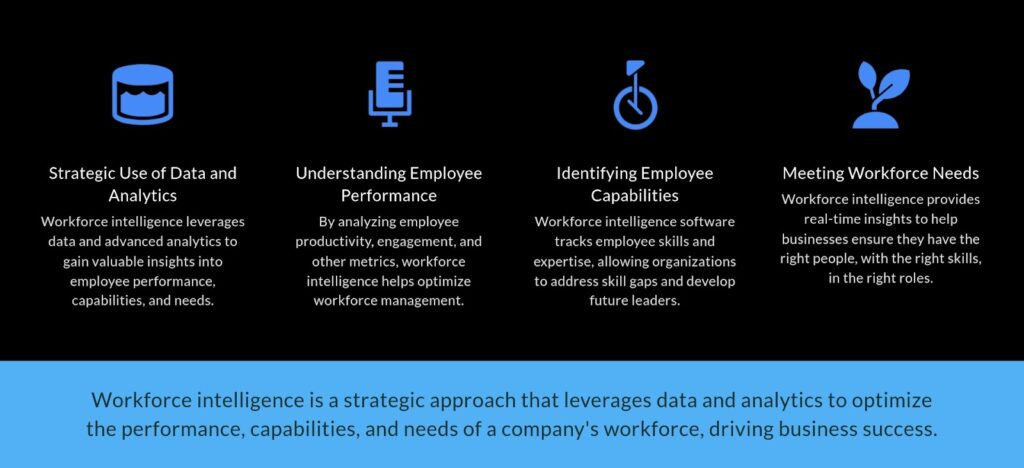
Before diving into how workforce intelligence software transforms business strategy, it’s essential to understand what workforce intelligence is. In simple terms, it refers to the strategic use of data and analytics to understand and optimize the performance, capabilities, and needs of a company’s employees. By collecting and analyzing data related to employee productivity, skills, engagement, and demographics, organizations can gain valuable insights that drive decision-making in HR and business strategy.
It isn’t just about gathering data; it’s about turning that data into actionable insights. It helps businesses identify patterns, predict future trends, and create strategic initiatives to align their workforce with the company’s long-term goals.
Turn Workforce Signals Into Strategic Advantage
Get real-time labor market intelligence to power smarter workforce planning decisions.
How Workforce Intelligence Software Transforms Business Strategy?
1. Data-Driven Talent Management
Talent management is a critical component of any business strategy. Workforce intelligence software provides a wealth of data that helps HR departments make informed decisions about hiring, training, and retaining employees. Through advanced analytics, the software enables HR teams to:
- Identify Skill Gaps: Workforce intelligence software can analyze employee skill sets and pinpoint areas where the company may lack critical expertise. This allows HR teams to make targeted hiring decisions and plan for training programs that address those gaps.
- Predict Employee Turnover: Employee turnover can be costly and disruptive. With workforce intelligence, organizations can analyze factors such as employee engagement, job satisfaction, and historical turnover data to predict which employees are at risk of leaving. This allows businesses to take proactive steps to retain key talent.
- Optimize Succession Planning: Succession planning is essential for maintaining leadership continuity. Workforce intelligence software can track employee performance, career trajectories, and potential, helping businesses identify future leaders and develop them for critical roles.
By leveraging these insights, companies can build a stronger, more agile workforce that aligns with their overall business goals.
2. Enhanced Workforce Planning
Workforce planning is the process of analyzing and forecasting the needs of an organization’s workforce. Effective workforce planning ensures that the company has the right number of employees, with the right skills, in the right roles, at the right time. Workforce intelligence software plays a vital role in this process by:
- Providing Real-Time Workforce Data: Traditional workforce planning methods often rely on static data, which can quickly become outdated. Workforce intelligence software, on the other hand, provides real-time data that allows companies to adjust their workforce strategies on the fly.
- Forecasting Workforce Needs: By analyzing historical data and trends, it can help businesses predict future workforce needs. This allows companies to proactively hire and train employees to meet those demands, ensuring they remain competitive.
- Optimizing Workforce Allocation: It enables companies to analyze how employees are allocated across different projects, teams, and departments. This helps businesses identify inefficiencies and make data-driven decisions about where to allocate resources for maximum productivity.
Workforce planning is crucial for aligning a company’s human resources with its broader business objectives. With workforce intelligence software, organizations can streamline this process and ensure they have the talent and capabilities needed to achieve their strategic goals.
3. Boosting Employee Engagement and Productivity
A highly engaged workforce is more productive, innovative, and loyal. Workforce intelligence software can provide deep insights into employee engagement levels and identify areas for improvement. Key ways the software enhances engagement and productivity include:
- Measuring Employee Engagement: Through surveys, performance data, and sentiment analysis, it helps HR teams gauge employee engagement levels. These insights allow businesses to implement targeted strategies to improve engagement, such as offering flexible work arrangements or enhancing workplace culture.
- Tracking Employee Performance: Performance tracking is a key feature of workforce intelligence software. By analyzing productivity data, businesses can identify top performers, recognize underperformance, and implement development plans to ensure all employees reach their full potential.
- Personalizing Development Programs: One-size-fits-all training programs are becoming a thing of the past. Workforce intelligence software allows companies to offer personalized development plans based on individual employee needs, preferences, and career goals, which enhances engagement and boosts productivity.
By addressing engagement and productivity issues in real time, it helps organizations create a more motivated and effective workforce.
4. Improving Diversity and Inclusion
Diversity and inclusion (D&I) are no longer optional for modern businesses—they are a business imperative. It can help companies track diversity metrics and develop strategies to improve D&I initiatives. For instance:
- Tracking Diversity Metrics: Workforce intelligence software can provide detailed reports on diversity metrics, such as gender, ethnicity, and age distribution across different teams and departments. This allows businesses to identify areas where they may be lacking in diversity and take steps to address those gaps.
- Reducing Unconscious Bias: By analyzing hiring, promotion, and compensation data, it can identify patterns of unconscious bias within an organization. This enables HR teams to implement fairer and more transparent processes that foster a more inclusive workplace.
- Supporting D&I Initiatives: Many workforce intelligence tools offer features specifically designed to support D&I initiatives, such as tracking progress against D&I goals and providing insights into the effectiveness of D&I programs.
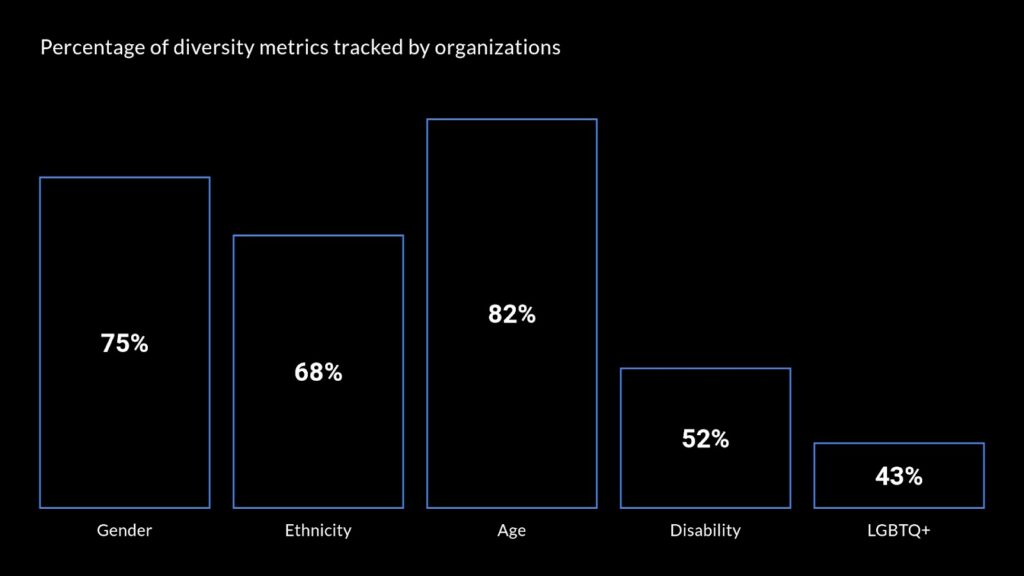
A diverse and inclusive workforce drives innovation and improves company culture. It helps businesses monitor and improve their D&I efforts, ensuring they remain competitive in an increasingly globalized market.
5. Driving Strategic Decision-Making
At its core, it empowers businesses to make smarter, more strategic decisions. By providing a comprehensive view of the workforce, the software enables business leaders to:
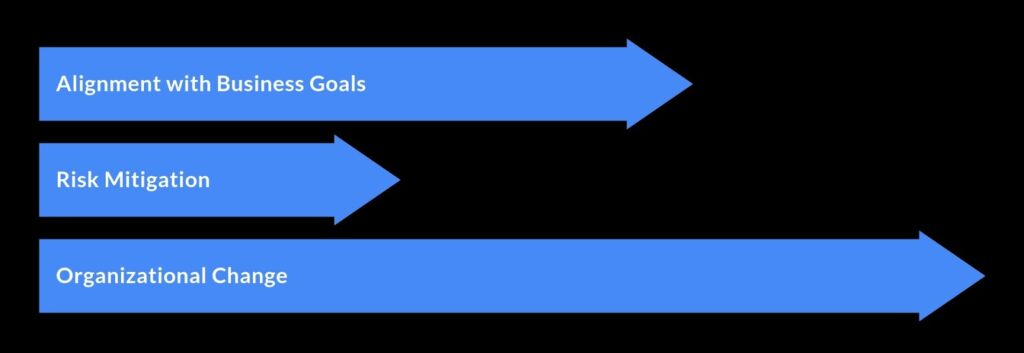
- Align Workforce and Business Goals: Workforce intelligence software allows businesses to align their workforce strategy with their overall business objectives. By analyzing workforce data in the context of broader business goals, companies can make data-driven decisions that ensure they have the right talent in place to achieve their strategic priorities.
- Mitigate Risks: Predictive analytics is one of the key features of it. By forecasting workforce trends, such as turnover rates or skills shortages, businesses can identify potential risks and take proactive measures to mitigate them.
- Drive Organizational Change: Whether it’s a shift in company culture, restructuring, or a new strategic direction, workforce intelligence software provides the insights needed to guide organizational change. By analyzing workforce data, businesses can identify areas that need improvement and implement data-driven strategies to drive change.
In an era where data drives business success, workforce intelligence software is an essential tool for strategic decision-making.
Why Your Business Needs Workforce Intelligence Software?
Now that we’ve explored how workforce intelligence software transforms business strategy, let’s look at the key benefits of adopting this technology:
- Better Talent Management: Workforce intelligence software allows HR teams to make informed decisions about hiring, training, and retaining talent, leading to a stronger, more agile workforce.
- Enhanced Workforce Planning: With real-time data and predictive analytics, businesses can optimize workforce planning and ensure they have the talent needed to achieve their strategic goals.
- Improved Employee Engagement: By tracking employee engagement and performance, companies can implement targeted strategies to boost productivity and retention.
- Stronger D&I Efforts: Workforce intelligence software helps businesses track and improve diversity and inclusion initiatives, fostering a more inclusive and innovative workplace.
- Informed Decision-Making: With workforce intelligence software, business leaders have access to real-time data and predictive analytics that drive smarter, more strategic decisions.
Turn Workforce Signals Into Strategic Advantage
Get real-time labor market intelligence to power smarter workforce planning decisions.
Top Workforce Intelligence Software Tools You Should Consider
Several workforce intelligence software tools are transforming the way businesses manage their talent and workforce strategies. Some of the top tools include:
- Visier: A leading workforce intelligence platform that provides powerful analytics and reporting features for HR teams. Visier is known for its user-friendly interface and comprehensive workforce planning tools.
- SAP SuccessFactors: Part of the larger SAP ecosystem, SuccessFactors offers a range of workforce intelligence features, including employee engagement tracking, performance management, and diversity analytics.
- ADP Workforce Now: A popular HR platform, ADP Workforce Now provides workforce intelligence capabilities that help businesses manage employee data, track workforce trends, and optimize workforce planning.
- Workday: Workday’s workforce intelligence software offers advanced analytics and real-time insights that help businesses make data-driven decisions about talent management and workforce planning.
- Oracle HCM Cloud: Oracle’s HCM Cloud platform includes workforce intelligence features that provide deep insights into employee performance, engagement, and workforce planning.
Workforce Intelligence in the Age of AI Co-Pilots
AI tools are now part of everyday work. Developers use coding assistants. Recruiters use AI to screen resumes. Analysts rely on copilots to summarize reports. The shift is real — but many organizations are adopting these tools without fully understanding how they change the workforce itself.
This is where workforce intelligence becomes practical, not theoretical.
AI rarely eliminates entire roles overnight. Instead, it reshapes work in smaller but meaningful ways. Repetitive tasks shrink. Review, oversight, and judgment-based tasks grow. Entry-level responsibilities evolve. Mid-level roles become more strategic. Without workforce intelligence software, these shifts happen quietly — until skill gaps or performance issues appear.
Workforce intelligence helps leaders see these changes early. It connects data on skills, productivity, internal mobility, and external hiring demand. That makes it easier to answer questions like:
- Are we hiring for skills AI will soon automate?
- Which teams need reskilling, not expansion?
- Where will AI increase workload instead of reducing it?
It also brings clarity to performance measurement. When AI accelerates output, traditional KPIs may no longer reflect real contribution. Workforce intelligence allows organizations to adjust expectations based on how work is actually being done.
Most importantly, it keeps AI adoption aligned with business strategy. Instead of reacting to technology shifts, companies can plan workforce evolution deliberately — protecting critical capabilities while building new ones.
AI co-pilots change how work gets done. Workforce intelligence ensures leadership understands what that change really means.
Skills-Based Organizations and Talent Graphs
Many companies still plan their workforce around job titles. The problem? Job titles don’t tell you what people can actually do.
Two employees with the same title can have very different capabilities. At the same time, someone in one department may have skills that are urgently needed elsewhere — but no one can see it.
This is why more organizations are moving toward skills-based models.
A skills-based organization focuses on capabilities rather than roles. Instead of asking, “Do we need to hire another Senior Analyst?” leaders ask, “Do we have enough people with advanced data modeling and stakeholder management skills?”
Workforce intelligence software makes this shift possible by building what’s often called a talent graph — a structured map of skills across the organization. It connects employees to their capabilities, certifications, project experience, and even adjacent skills they could develop quickly.
This visibility changes how decisions are made:
- Internal mobility becomes faster and more strategic.
- Projects are staffed based on capability, not hierarchy.
- Upskilling programs are targeted, not generic.
- Workforce planning becomes more precise because it focuses on real skill supply.
It also reduces unnecessary hiring. Many organizations discover that the skills they are searching for externally already exist internally — just under different titles.
In a market where skill demand shifts quickly, job-based structures are too rigid. Workforce intelligence helps companies operate with flexibility, making skills the foundation of growth instead of titles.
From Workforce Data to Business Advantage
Workforce intelligence software is revolutionizing the way businesses manage their talent and make strategic decisions. By providing deep insights into employee performance, engagement, and workforce needs, this software empowers companies to optimize their workforce strategies and drive business success. Whether it’s through better talent management, enhanced workforce planning, or improved diversity and inclusion efforts, workforce intelligence software is an essential tool for any business looking to stay competitive in today’s dynamic market. As the corporate HR landscape continues to evolve, adopting workforce intelligence software will be key to unlocking the full potential of your workforce and achieving your business objectives.If you’re looking to enhance your talent strategy with comprehensive workforce data and insights, Sign up on JobsPikr to access real-time job market data and supercharge your workforce intelligence efforts.
Turn Workforce Signals Into Strategic Advantage
Get real-time labor market intelligence to power smarter workforce planning decisions.
FAQs
What is workforce intelligence software?
Workforce intelligence software is a platform that analyzes internal employee data and external labor market data to generate actionable insights for workforce planning, talent management, and strategic decision-making.
How is workforce intelligence different from HR analytics?
HR analytics typically focuses on internal reporting such as headcount, turnover, and performance metrics. Workforce intelligence goes further by integrating predictive analytics, skills mapping, and external labor market data to guide business strategy.
How does workforce intelligence support strategic workforce planning?
Workforce intelligence enables organizations to forecast hiring demand, model different workforce scenarios, identify skill shortages, and align talent investments with long-term business goals.
Can workforce intelligence help reduce employee attrition?
Yes. Workforce intelligence software uses predictive modeling to identify patterns associated with turnover risk. This allows organizations to intervene early with retention strategies.
How does external job market data improve workforce intelligence?
External labor market data reveals competitor hiring trends, emerging skills, compensation benchmarks, and regional talent availability. Integrating this data enhances workforce intelligence by providing forward-looking insights beyond internal metrics.