
- **TL;DR**
- What Is a Talent Strategy in 2025?
- Build a Smarter Talent Strategy with JobsPikr
- How to Use Talent Insights to Develop Better Talent Strategies?
- Core Components for Building a Data-Driven Talent Strategy
- How Talent Insights Drive Better Talent Acquisition Strategies?
- How Technology Drives Effective Talent Management Strategies?
- Build a Smarter Talent Strategy with JobsPikr
- How to Build a Effective and Comprehensive Talent Strategy for Success?
- Talent Strategy as a Business Growth Lever
- Internal Mobility and Skills-Based Talent Strategy
- Build a Smarter Talent Strategy with JobsPikr
- Preparing for the Future: Integrating Talent Insights into Your Strategy
- Building a Future-Ready Talent Strategy with Data
- Build a Smarter Talent Strategy with JobsPikr
- FAQs
**TL;DR**
A modern talent strategy can no longer rely on intuition or static workforce plans. In a hiring landscape shaped by AI, remote work, and rapid skill evolution, organizations need talent insights grounded in real-time job market data, skills demand, and workforce trends. This refreshed guide explains what talent insights really mean in 2025, how they power smarter workforce planning and talent acquisition, and how HR and business leaders can build a future-ready, data-driven talent strategy that aligns with business goals, reduces hiring risk, and improves retention.
It goes without saying that effective skills planning is critical to organizational success, particularly in a highly competitive employment environment. The impact of technological advancements and analytics has transformed the nature of collecting provided insights for HR professionals and organizational recruiters. These insights delve deeper into how new trends, skills, and hiring processes emerge which in return helps craft business centric strategies.
This paper discusses the value and meaning of talent insights, the position they hold in developing an effective talent strategy and the practical ways of how to use talent strategy and data analysis for workforce planning and acquisition.
What Is a Talent Strategy in 2025?
A talent strategy is no longer just a hiring plan. In 2025, it is a long-term, data-driven approach to acquiring, developing, deploying, and retaining talent in alignment with business objectives.
A modern talent strategy answers critical questions such as:
- What skills will our business need 6, 12, or 24 months from now?
- Where should we hire from to access those skills cost-effectively?
- Which roles should be built internally versus hired externally?
- How do we reduce attrition in critical functions?
- How do we remain competitive in a rapidly shifting labor market?
Without reliable talent insights, these decisions are often based on assumptions or historical patterns that no longer apply. With talent insights, organizations can make informed decisions backed by real market evidence.
Build a Smarter Talent Strategy with JobsPikr
Leverage live job market and skills data to make faster, more confident talent decisions.
How to Use Talent Insights to Develop Better Talent Strategies?
Talent insights are previous skills and analytics that articulate the scope of workforce trends, skills that are hot in demand, and hiring. The use of such insights in skills planning has the benefits of exposing the organizations to:
- Stay Ahead of Market Trends: Identify the shifts in skills required and make hiring projections.
- Enhance Decision-Making: Analyze business process investment decisions on retaining and developing staff and positions at which are most productive.
- Reduce Operating Costs: Optimize the processes involved in talent search which reduce the timeliness in which critical positions are unfilled.
- Drive Employee Retention: Determine reasons for turnover and apply approaches to increase retention.
Using data on talent, organizations can improve their talent management models which will help them compete better in the market and get high level talent they can keep.
Core Components for Building a Data-Driven Talent Strategy

Building an appropriate talent strategy includes incorporating insights from data into the current and future workforce requirements of the organization. The following components are the building blocks of good data driven talent strategies while aligning business needs and market conditions:
1. Workforce Planning
Workforce planning is analyzing the current capabilities, skills gaps, and projecting future requirements. For example, an organization may study the hiring trends of the last few years and the market environment to determine what roles they will need to fill in the future. This approach ensures readiness for what lies ahead making you prepared for the changes.
2. Recruitment Analytics
Recruitment analytics focuses on providing data surrounding the sourcing formulae, timing of hire, and the quality of interviewed candidates. Organizations can measure cost per hire, candidate conversion rate and use these insights to strengthen recruitment functions and resource allocation.
3. Emerging Skill Trends
By analyzing specific industry trends, organizations are able to forecast the most desirable skills. For instance, as the availability of AI and machine learning skills increases, organizations should adapt their hiring approaches to focus on such skills..
4. Employee Experience and Engagement
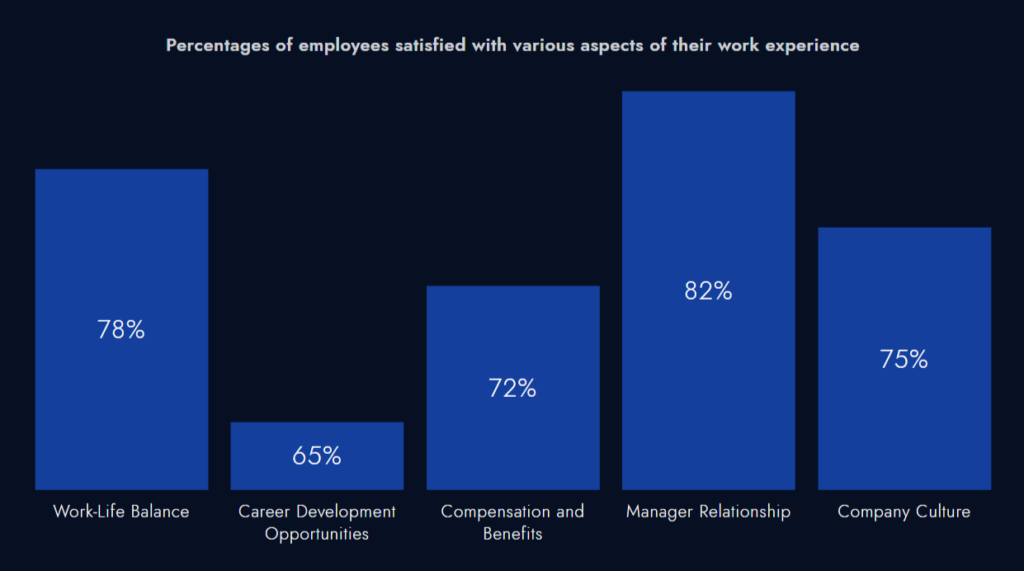
Information regarding employee participation and satisfaction aids the development of retention strategies. For instance, feedback forms and surveys can reveal a gap in work-life balance, or in the push for additional training which can be addressed through remedial action.
How Talent Insights Drive Better Talent Acquisition Strategies?
With the acquisition of data-based talent insights, talent recruitment strategies allow more focus to be placed on attainment of important goals. This is how these insights can be leveraged in organizations:
1. Identify High-Impact Talent Pools
Establish data that illustrates the locations of high-end human capital, be it in a country or in certain fields of economics. This ensures that recruitment drives are more effective.
2. Optimize Job Descriptions and Postings
Establish the effectiveness of any particular job ad by the response it receives. Knowledge of the relevant words, designations and perks to be offered helps in crafting effective job ads.
3. Predict Hiring Outcomes
Predictive analytics allow organizations to assist in identifying the types of candidates that are most likely to succeed in certain positions in the organization.
4. Diversify Recruitment Channels
Through the analysis of data, companies can identify which recruitment channels yield the most high quality candidates, enabling them to prioritize resource allocation to the optimal platforms.
How Technology Drives Effective Talent Management Strategies?
In the era of modernization, the use of technology in talent management strategies has ski-rocketed especially with businesses being able to make data-informed decisions. Sophisticated technologies and systems automate tasks, improve effectiveness, and yield practical information relevant to planning. What follows are some notable changes in talent management that have been rendered possible by technology.
1. Applicant Tracking Systems (ATS)
ATS do more than file application documents. They have built-in analytics which assess the performance of the sourcing method, how candidates engage, and how long the entire recruitment process takes. As an example, Greenhouse and Lever ATS platforms provide real-time recruiting campaign results.
2. HR Analytics Platforms
SAP SuccessFactors and Tableau are some of the analytics platforms which provide HR the much needed assistance in anticipating talent shortage and predicting the turnover risk in their companies using live dashboards AI PC. This puts HR in a better management position on how to allocate their workforce realistically.
3. Artificial Intelligence (AI)
The process of recruitment is increasingly being improved by empowering automation of straightforward tasks such as resume selection and candidate initial sifting. Their unique qualities in anticipating cultural fit empowers AI tools like Eightfold AI to determine the likelihood of any potential employee succeeding in the organization.
4. Predictive Analytics Tools
Analyzing workforce behavior trends using predictive analytics tools enables organizations to remain competitive. These tools are beneficial when doing strategic long-term planning so that businesses are able to foresee what works will need to be put in place and stay alive in the ever-breaking competitive market.
Build a Smarter Talent Strategy with JobsPikr
Leverage live job market and skills data to make faster, more confident talent decisions.
How to Build a Effective and Comprehensive Talent Strategy for Success?
Aligning the efforts of talent acquisition and management with one’s organizational strategies is essential and goal-oriented. There are actionable steps that can be taken to achieve such a strategy:
- Define Organizational Goals: Establish clear objectives for hiring, retention, and workforce development.
- Conduct a Talent Audit: Analyze current workforce capabilities, performance metrics, and turnover trends to identify gaps.
- Leverage Data Analytics: Integrate talent insights from various sources, including recruitment data, market trends, and employee feedback.
- Prioritize Skill Development: Develop training programs to address skill gaps and prepare employees for future challenges.
- Monitor and Refine: Continuously track the effectiveness of your talent strategy using KPIs and make adjustments as needed.
Talent Strategy as a Business Growth Lever
In 2025, a talent strategy is no longer a support function that reacts to hiring requests. It is a direct driver of business growth.
Every expansion plan, product launch, or market entry depends on whether the right skills can be accessed at the right time and cost. When talent decisions are made without data, growth slows down. When they are guided by talent insights, organizations scale with confidence.
A data-driven talent strategy allows leadership teams to connect workforce decisions to revenue outcomes. Talent insights reveal where critical skills are available, how competitive hiring conditions are, and how fast teams can realistically be built. This helps businesses answer growth-defining questions such as where to open a new office, which roles to prioritize, or whether to build capabilities in-house versus hiring externally.
Talent insights also reduce growth risk. By analyzing competitor hiring activity, skill saturation, and attrition trends, organizations can anticipate bottlenecks before they impact delivery timelines. This shifts talent planning from reactive hiring to proactive capacity building.
When talent strategy is treated as a growth lever, HR becomes a strategic partner to the business. Workforce planning aligns with go-to-market strategy, hiring supports product roadmaps, and skill development fuels long-term competitiveness. In this model, talent is not just a cost center. It becomes a measurable contributor to sustainable business growth.
Internal Mobility and Skills-Based Talent Strategy
Job titles are changing faster than ever, but skills are what truly determine how work gets done. In 2025, leading organizations are moving away from rigid, role-based hiring and toward skills-based talent strategies that make better use of the talent they already have. Internal mobility, when powered by talent insights, becomes a strategic advantage, not a fallback option.
Shifting from Role-Based to Skills-Based Planning
A skills-based approach gives organizations far more flexibility than traditional role-based planning.
- Roles evolve, but core and adjacent skills often remain relevant across teams
- Skills-based planning helps redeploy talent quickly as priorities change
- Talent insights reveal which skills are growing, declining, or becoming business-critical
By focusing on skills instead of titles, organizations can respond faster to market and technology shifts without constantly redefining job roles.
Using Talent Insights to Unlock Internal Mobility
Internal mobility works best when decisions are guided by data, not assumptions.
- Talent insights help map existing skills across the workforce
- Skill adjacency data shows which employees can transition into new roles with minimal training
- Job market trends highlight which roles are harder or more expensive to hire externally
This makes internal movement intentional and strategic, rather than reactive or ad hoc.
Reducing Hiring Costs and Improving Retention
Internal mobility directly impacts both cost efficiency and employee engagement.
- External hiring costs are reduced by filling roles internally
- Employees are more likely to stay when clear growth paths exist
- Talent insights help compare the cost of upskilling versus hiring from the market
When employees see real opportunities to grow, retention improves naturally, without relying solely on compensation.
Building a Future-Ready Workforce
A skills-based, mobile workforce is better prepared for long-term change.
- Continuous skill development aligns workforce capabilities with future demand
- Talent insights help prioritize learning investments where they matter most
- Workforce readiness improves without over-hiring or over-specialization
By combining internal skills data with external talent insights, organizations build a workforce that evolves alongside the business, rather than struggling to catch up.
Build a Smarter Talent Strategy with JobsPikr
Leverage live job market and skills data to make faster, more confident talent decisions.
Preparing for the Future: Integrating Talent Insights into Your Strategy
The shifting landscape of talent insights within corporations is poised to transform everything ranging from talent acquisition to management. Owing to changes in technology and the workforce, talent strategies will need to be centered more towards the data and be flexible. Here are some things that are shaping the future:
1. Real-Time Talent Analytics
Because of the flexibility of modern HR technology, access to data analytics in real time will allow for rapid decisions to be made thus saving time. Dashboards will provide real time metrics of the performance of the workforce, pipelines of new recruiting, and the attendance of employees.
2. Focus on Diversity and Inclusion
By strategizing using data, inclusion and diversity as part of a workplace culture will be enhanced. Fairer workplaces will evolve as organizations assess demographic information and measure bias in their hiring practices.
3. Predictive Workforce Planning
Advanced predictive models will allow organizations to forecast workforce needs with greater accuracy. This includes anticipating skill shortages, planning for market disruptions, and aligning talent acquisition strategies with future demands.
4. Integration of AI and Machine Learning
Effective and automated talent management will incorporate AI and machine-learning technologies greatly. From spotting internal leaders in the company to fully automating the onboarding process AI will help organizations scale their talent efforts effectively.
5. Personalized Employee Development
Future talent strategies will emphasize individualized development plans. Data will be used to tailor learning paths and career growth opportunities, ensuring employees feel valued and supported in their professional journeys.
Building a Future-Ready Talent Strategy with Data
The development of the right talent strategy stems from a winning combination of strong talent insights and how they translate into workforce planning, recruitment, and management. The effective use of data will permit HR leaders and corporate recruiters to make the best decisions that improve the efficiency of business processes, and enhance organizational engagement.Take the next step in revolutionizing your talent strategy with actionable insights. Sign up on JobsPikr today and unlock data-driven solutions to transform your workforce planning and recruitment efforts.
Build a Smarter Talent Strategy with JobsPikr
Leverage live job market and skills data to make faster, more confident talent decisions.
FAQs
What is a talent strategy?
A talent strategy is a long-term plan that aligns hiring, workforce planning, skill development, and retention with business goals using data and insights.
What are talent insights?
Talent insights are actionable intelligence derived from job market data, workforce trends, skills demand, and hiring patterns that support strategic talent decisions.
How do talent insights improve workforce planning?
They help organizations forecast future skill needs, identify gaps, and plan hiring or reskilling initiatives based on real market demand.
Why are talent insights important for recruitment?
Talent insights improve sourcing, job descriptions, channel selection, and candidate quality by aligning hiring efforts with market realities.
What role does AI play in talent strategy?
AI supports automation, predictive analytics, and personalized talent management, but should be used responsibly and transparently.
How does JobsPikr support talent strategy?
JobsPikr provides real-time job market and talent insights that help organizations build data-driven, future-ready talent strategies.